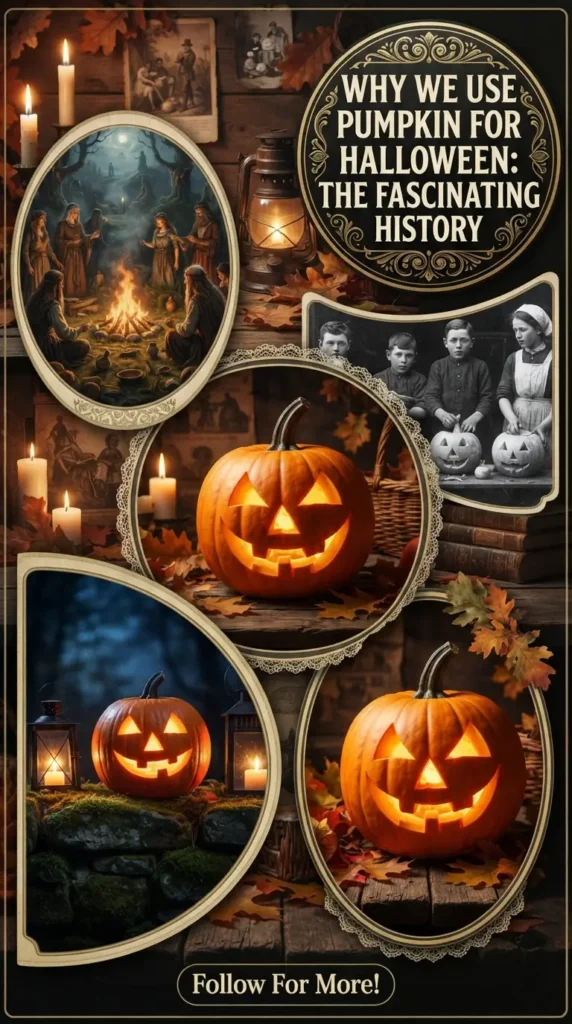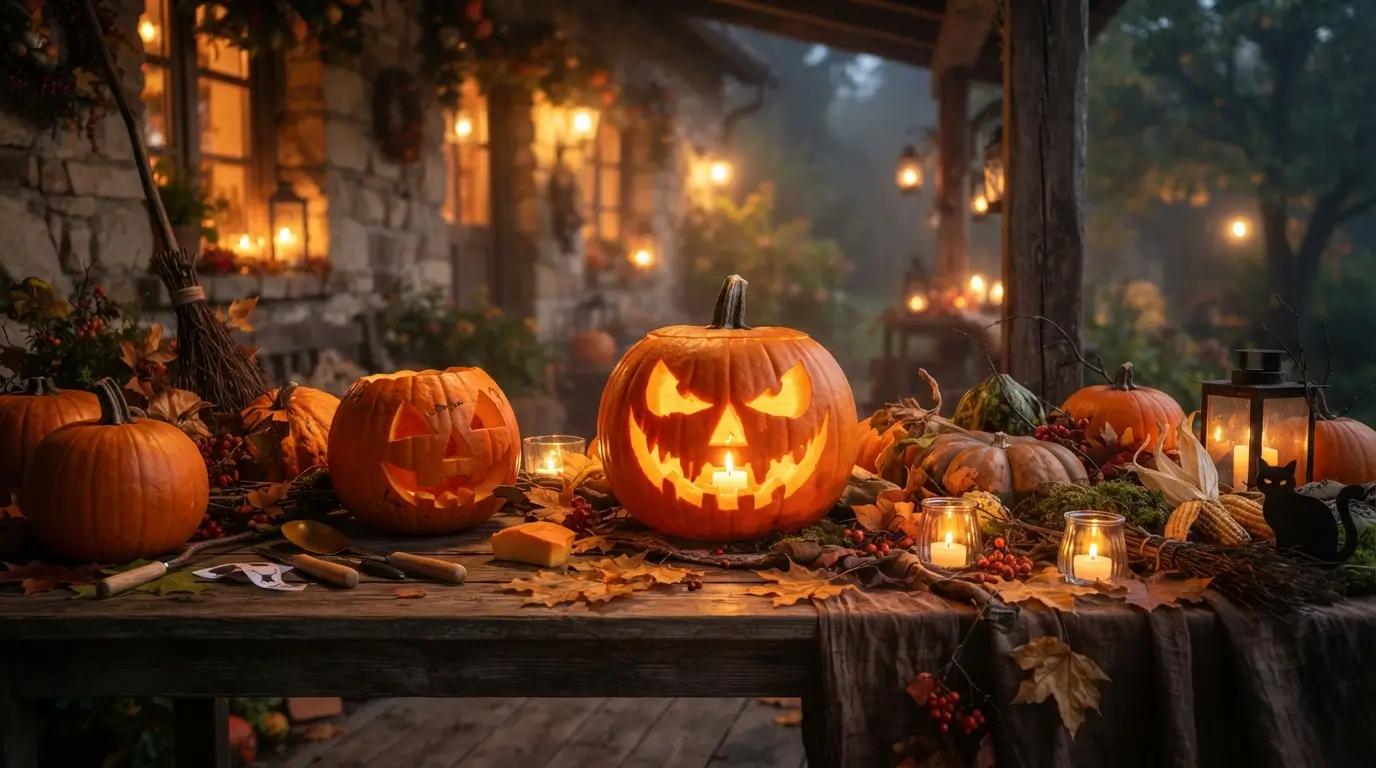
Every Halloween, thousands of glowing faces stare out from porches and windows but what if the tradition began with something far more unsettling than a harmless decoration?
Long before pumpkins became cheerful symbols of Halloween, people carved frightening faces into vegetables and placed them near their homes.
The reason wasn’t simply to celebrate the harvest. Old folklore spoke of wandering spirits, dark autumn nights, and the strange belief that a carved face might keep something unwanted from crossing the threshold.
So how did an ancient custom involving fear, folklore, and flickering lanterns eventually become the pumpkin-filled Halloween tradition we know today? The answer reaches back centuries and the story behind the jack-o’-lantern is stranger than it first appears.
Why choose
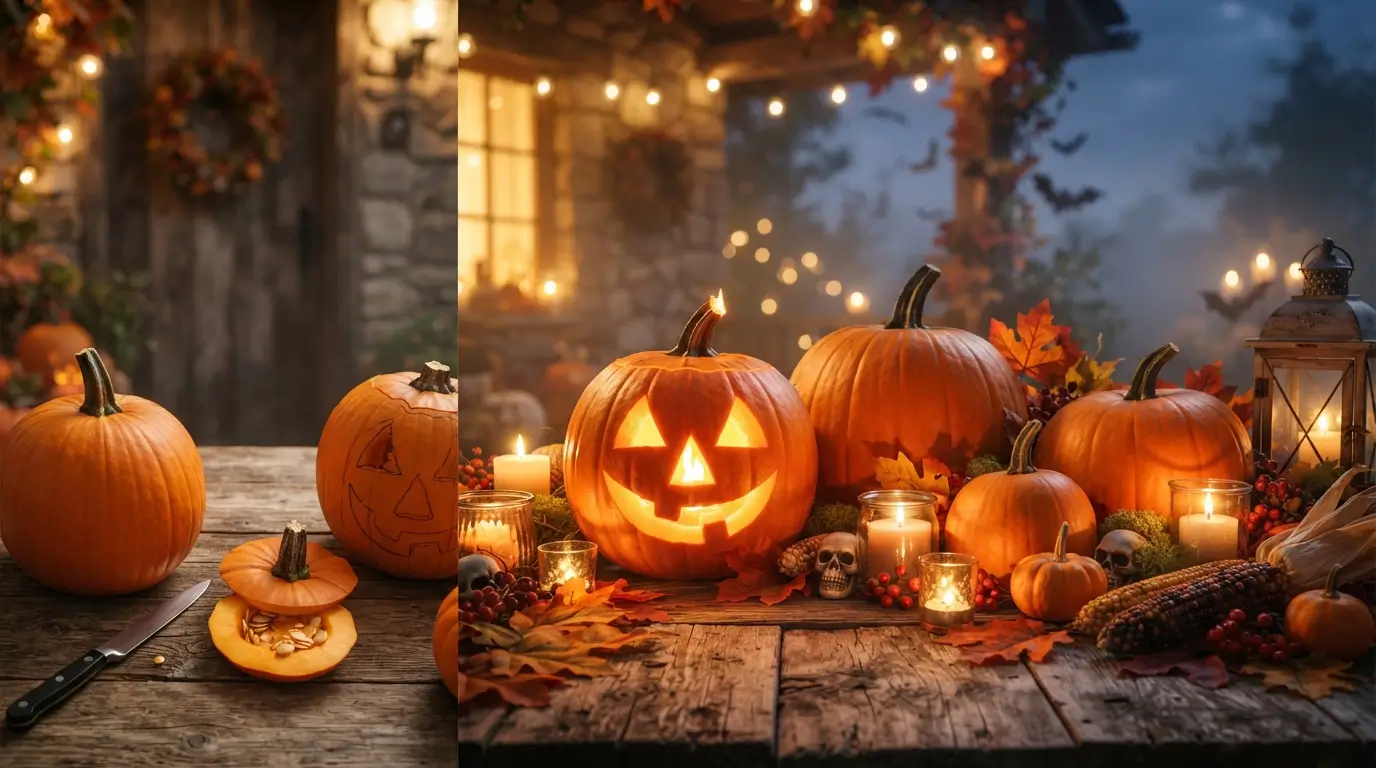
Why choose pumpkins over other seasonal vegetables? There’s a reason pumpkin carving has become such a beloved fall tradition.
Unlike the hard, dense root vegetables used in some early European traditions, pumpkins have soft flesh and a naturally hollow center, making them much easier to carve.
Their smooth surface is perfect for creating everything from simple pumpkin designs to intricate Halloween carvings, while the hollow interior makes it easy to add candles or LED lights for a warm, festive glow.
1. The Legend of Stingy Jack

Long before pumpkins became glowing symbols of Halloween, there was an old Irish tale about a man known as Stingy Jack.
According to the legend, Jack was a clever, miserly man who managed to trick the devil more than once. But cleverness came at a price.
After his death, Jack was left wandering through the darkness, carrying nothing but a burning coal tucked inside a hollowed-out turnip to light his way.
As Irish immigrants made their homes in America, they brought this eerie tradition with them.
There was just one problem: turnips were small and rather difficult to carve. Then they discovered something far more suitable the humble pumpkin.
Larger, softer, and much easier to hollow out, pumpkins quickly became the perfect canvas for Jack’s ghostly lantern.
And so, almost by accident, the little turnip lantern evolved into the glowing jack-o’-lantern we recognize today a Halloween tradition that has survived for generations.

2. Warding Off Evil Spirits
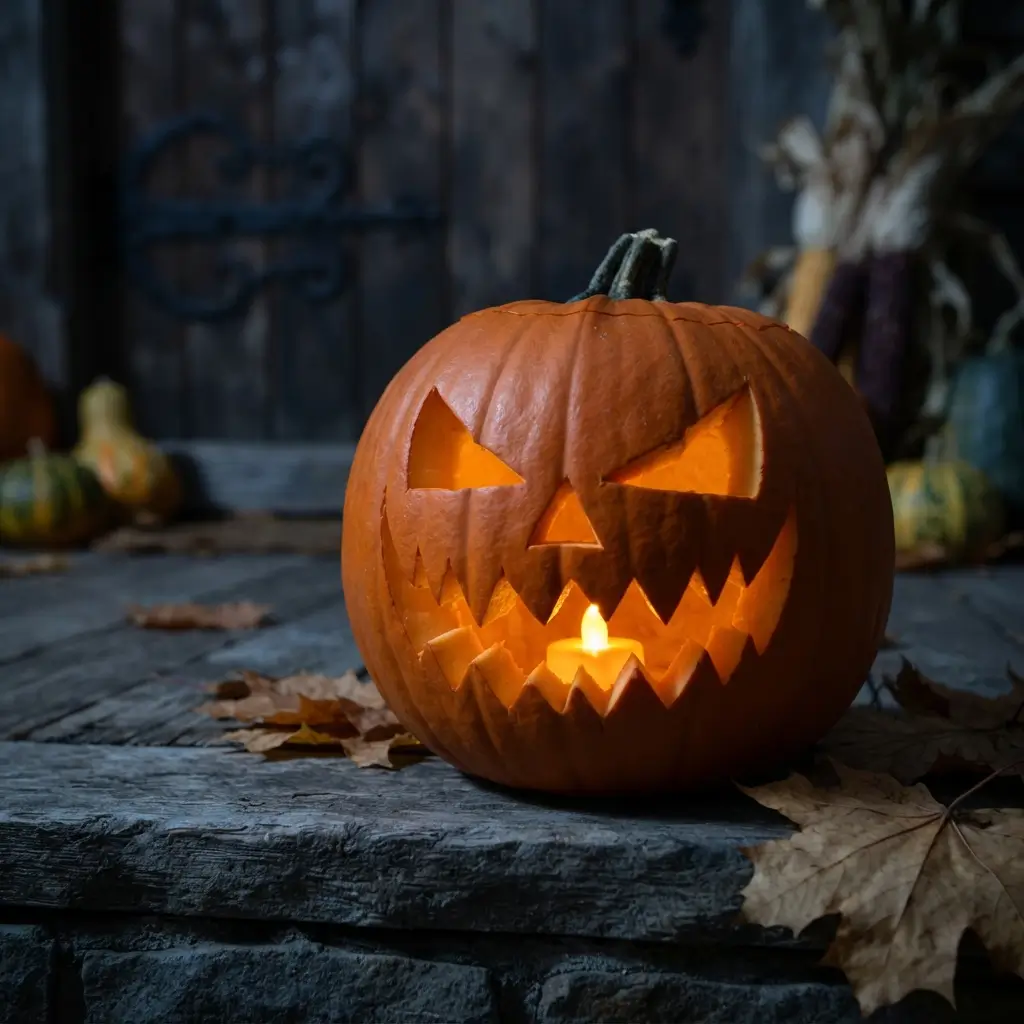
Beyond their role as festive decorations, carved and illuminated gourds have often been associated with old traditions and beliefs surrounding spirits and protection.
In some folklore, people were said to believe that frightening faces could help keep unwanted spirits away, while lights might guide benevolent spirits toward their homes.
Whether these beliefs were followed widely or varied from one place to another, the eerie faces certainly made an effective symbol of protection.
On a chilly autumn night, a glowing pumpkin on the doorstep can almost seem like a little guardian standing watch in the darkness.
You can recreate that mysterious atmosphere at home this Halloween by placing a flickering LED tea light inside your carved pumpkin. The soft glow will give your creation an old-fashioned, slightly spooky charm without the need for a real flame.
3. Celebrating the Autumn Harvest
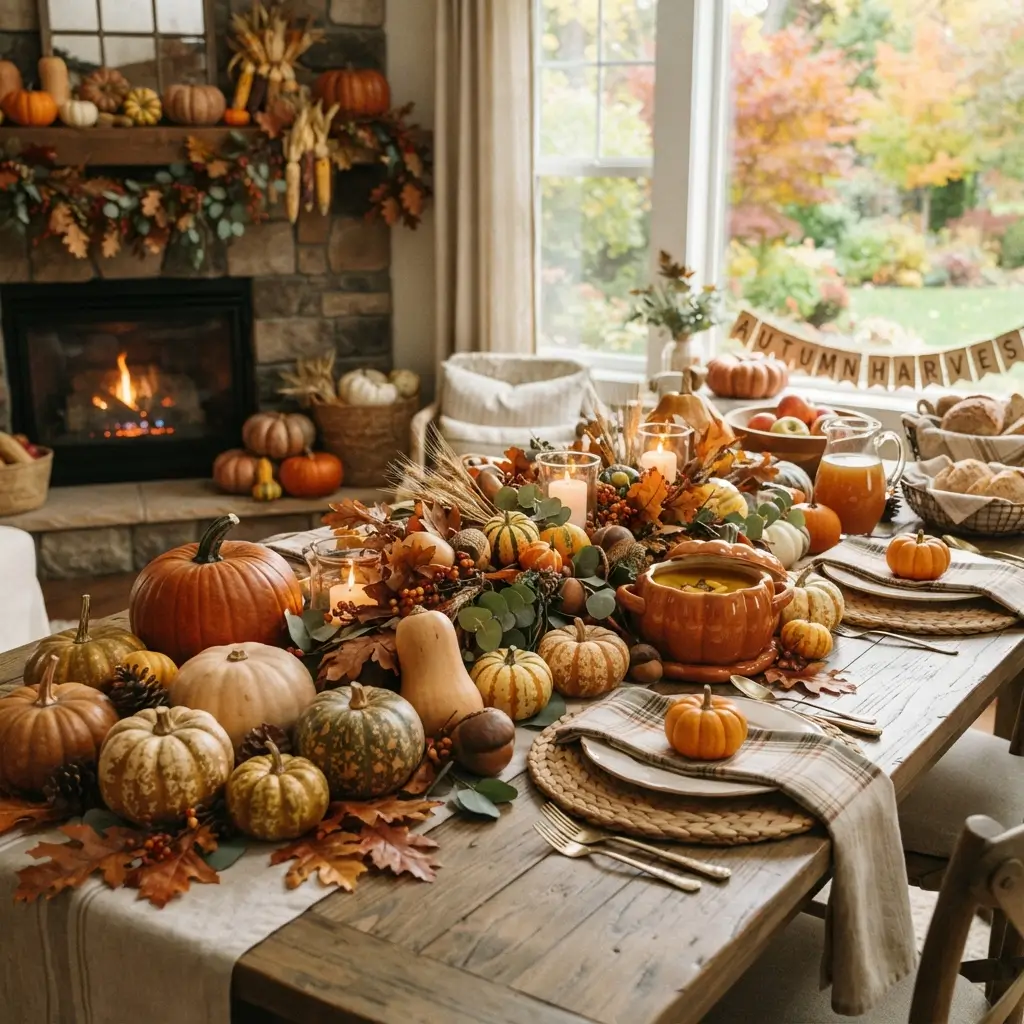
There’s something about autumn that makes pumpkins feel almost inevitable. As the leaves turn golden, the air grows crisp, and harvest season arrives, these humble gourds seem to belong everywhere from front porches to cozy dining tables. But their connection to autumn goes far beyond Halloween.
Long before pumpkins became symbols of spooky nights and carved jack-o’-lanterns, they were an important part of the harvest. Hardy, nourishing, and surprisingly easy to store, pumpkins could help families get through the cold winter months when fresh crops were scarce.
That old harvest tradition still adds a special charm to Halloween today. Instead of limiting pumpkins to carved decorations, bring the season indoors and let their natural shapes and earthy colors do the decorating.
Arrange a few faux pumpkins and decorative gourds beside your front door, scatter them across the dining table, or mix different sizes for a relaxed, collected look.
It doesn’t have to be perfect. In fact, the slightly imperfect shapes are often what make a display feel beautiful. This year, let your autumn decorations tell a little story one filled with harvest, warmth, tradition, and the unmistakable magic of the season.
4. The Rise of Pop Culture
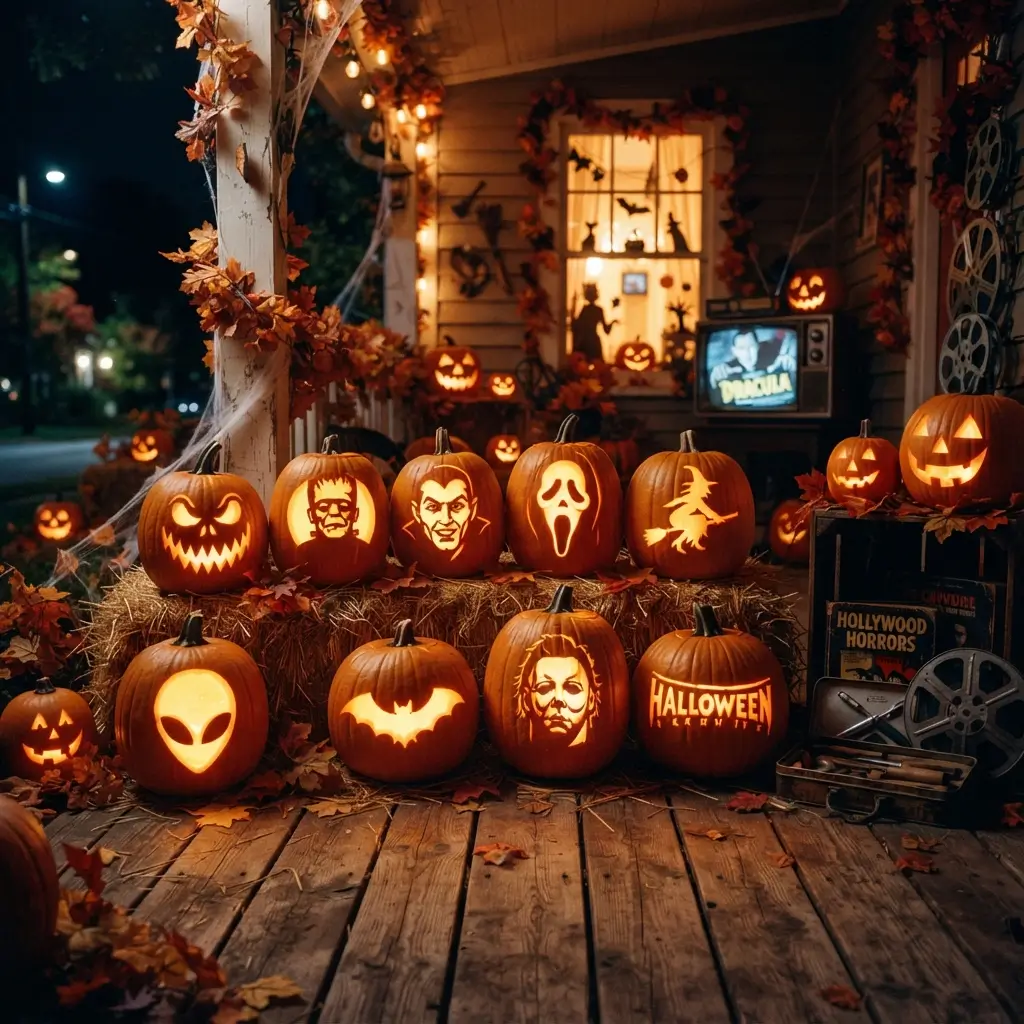
As the twentieth century rolled on, the pumpkin became far more than a seasonal crop it turned into the face of Halloween itself.
Movies, television shows, books, and spooky illustrations kept bringing us back to the same familiar image: a carved pumpkin glowing mysteriously in the darkness. Before long, that flickering orange face was almost impossible to separate from Halloween.
Pop culture played a huge role in spreading the tradition beyond its original roots.
What was once a simple local custom gradually became a must-have part of October celebrations around the world.
And if you want to bring a little of that old-school movie magic to your own home, grab some pumpkin carving tools and have fun with it.
Carve a favorite horror-inspired character, a spooky face, or even an intricate traditional pattern, then place it on the porch and let that warm candlelit glow do the rest.
5. A Family Bonding Tradition
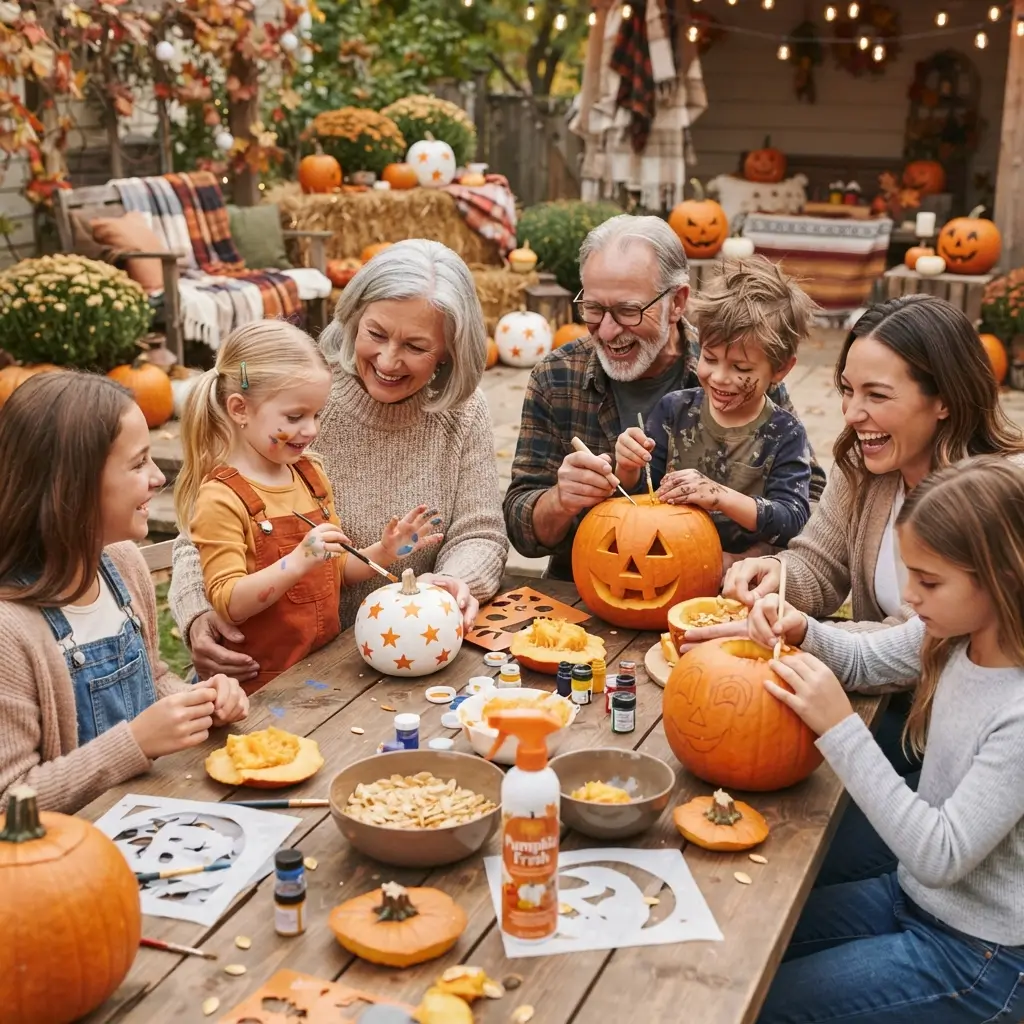
There’s something special about choosing a pumpkin together as a family. It might start with a simple trip to the local pumpkin patch, but before long, everyone is laughing, comparing shapes, and searching for that one pumpkin that feels just right.
Then comes the messy part the scooping, carving, painting, and, of course, the inevitable pumpkin seeds everywhere.
What makes the tradition so memorable, though, isn’t having the perfect-looking pumpkin. It’s doing it together.
Toddlers can paint their own little designs, older kids can get creative with carving, and even grandparents can join in and share their ideas. Everyone gets to add a personal touch.
And if you want those spooky creations to make it through Halloween night without becoming soft and rotten, a pumpkin preservation spray can help keep your finished masterpiece looking fresh a little longer.
Pros and Cons
Pros: They provide gorgeous seasonal aesthetics, are fully biodegradable, and their seeds can be roasted for a delicious snack.
Cons: They rot relatively quickly once carved, can create a huge mess during the preparation phase, and sometimes attract unwanted outdoor pests.
Tips
For a longer-lasting display, try cutting your opening from the bottom rather than the top to keep the stem intact and prevent the lid from caving in. You can also coat the exposed cut edges with petroleum jelly to lock in moisture and slow down the decaying process.
Mistakes to avoid
Don’t carve your pumpkin weeks in advance, or it will undoubtedly mold before the holiday arrives. Additionally, avoid using real flame candles if the display will be left completely unattended or placed near dry autumn leaves.
Frequently asked questions
How long do carved pumpkins last? Typically, they last about three to five days depending on your local climate and humidity levels.
Can I paint them instead of carving? Yes! Painting is a fantastic, mess-free alternative that significantly extends their lifespan and allows for highly detailed designs.
Key takeaways
This iconic tradition evolved from Irish folklore and adapted beautifully into an essential North American autumn staple. Today, these glowing gourds represent historical harvest bounty, spiritual protection, and joyful community celebration.
Conclusion
Exploring the history behind this vibrant orange squash reveals a fascinating blend of ancient mythology, agricultural history, and modern celebration. It is a tradition that connects us to the past while letting us get creative in the present.
Final Thoughts
There is something truly magical about watching a freshly carved gourd glow on a crisp autumn evening. It brings a comforting sense of nostalgia and seasonal joy to any home.
Wrapping It Up
Grab your carving tools, pick the perfect gourd from the patch, and keep this wonderful spooky season tradition alive in your home this year.