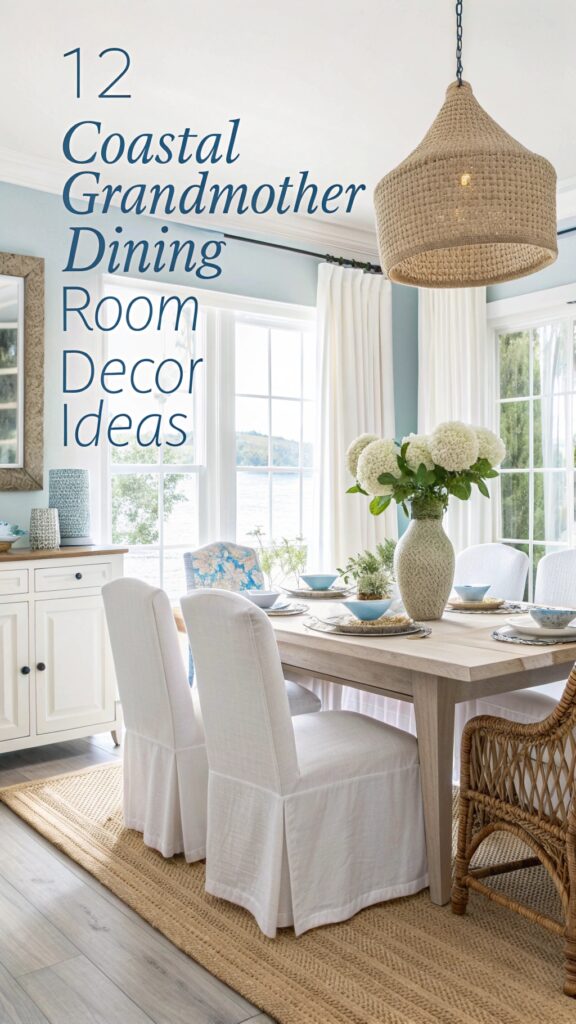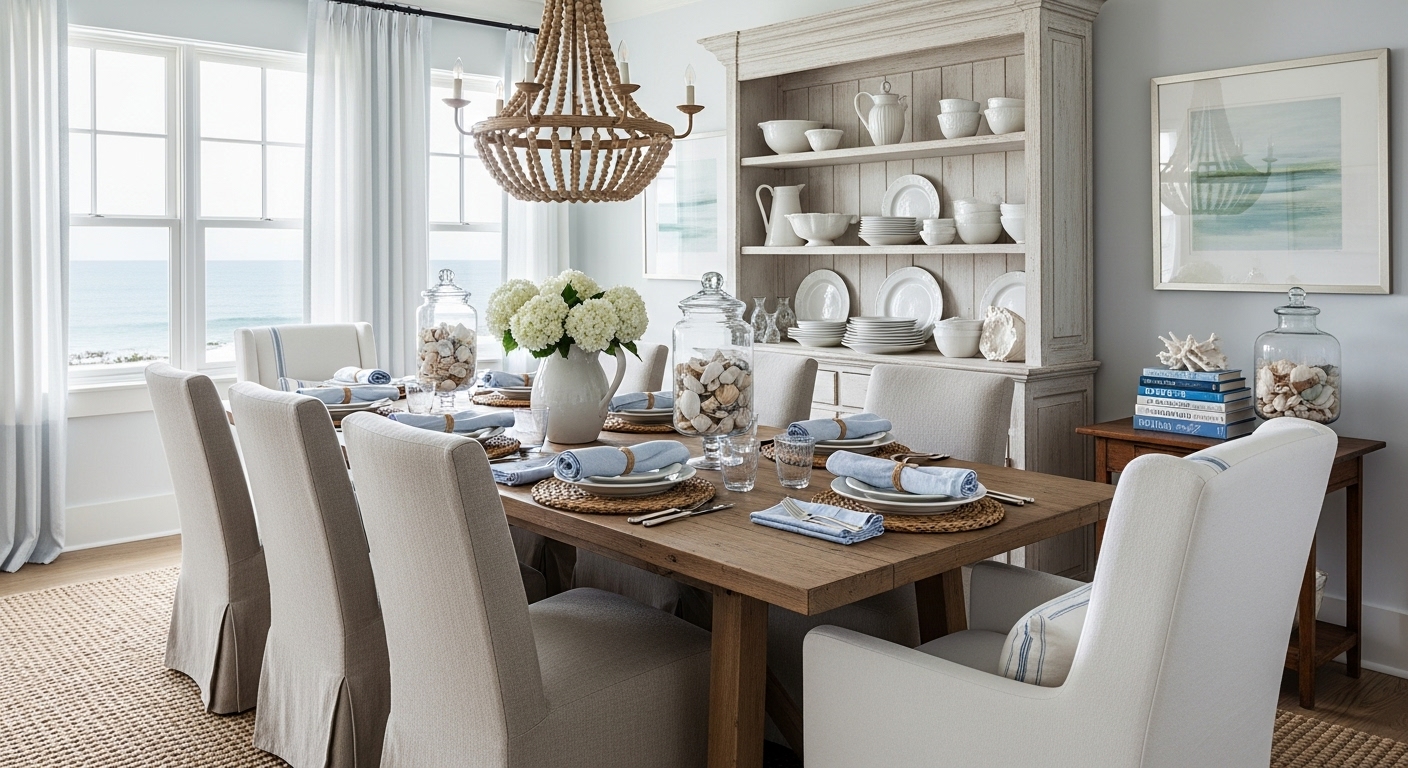
A coastal grandmother dining room feels bright, comfortable, and welcoming without looking as though every item was purchased at the same time.
Think of a natural wood dining table, soft linen curtains, simple white dishes, fresh flowers, and a few well-chosen pieces that make the room feel personal.
The style takes inspiration from relaxed coastal homes, traditional interiors, and the understated elegance often seen in Nancy Meyers films.
Despite the name, you do not need to live near the ocean or have a large country house to achieve the look. A small dining area in an apartment can work just as well.
The secret is to combine light colors with natural materials, comfortable seating, and practical details that suit everyday life.
Rather than filling the room with seashells and nautical decorations, focus on the way furniture, lighting, fabrics, and accessories work together.
Here are 12 coastal grandmother dining room decorating ideas, including tips for choosing materials, arranging furniture, and creating the look on a realistic budget.
Why Choose the Coastal Grandmother Style?
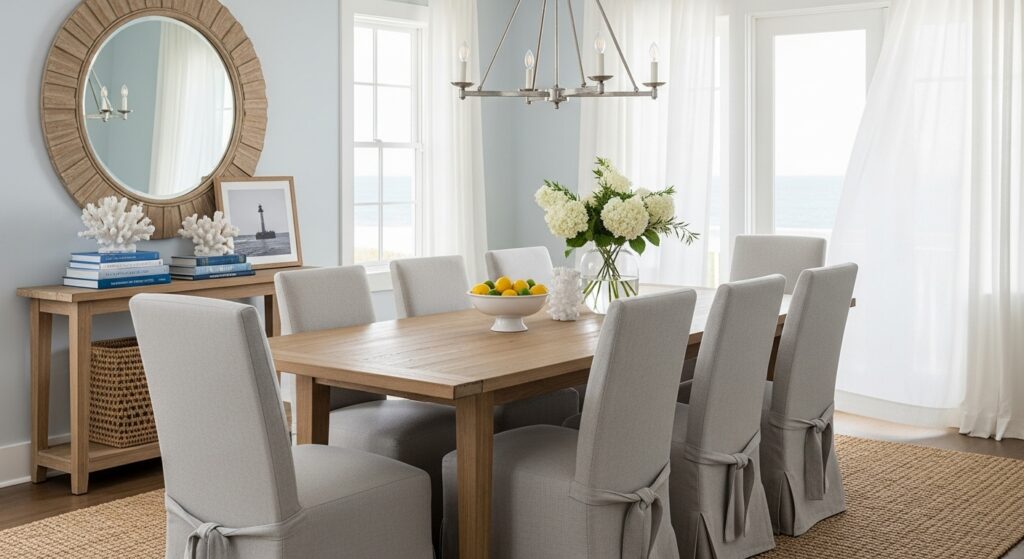
The dining room is one of the easiest places to introduce this aesthetic because the style works naturally with everyday objects.
Wooden furniture, ceramic dishes, woven baskets, and fabric table linens can all contribute to the look without requiring a complete renovation.
Its appeal comes from the balance between elegance and practicality. A dining table can look polished enough for a family celebration while remaining comfortable for breakfast, homework, or an ordinary weeknight dinner.
The color palette usually includes warm white, cream, sandy beige, pale blue, and natural wood. These shades create a calm background, while woven materials, aged metals, and vintage accessories prevent the room from looking flat.
You also have plenty of freedom to adapt the style.
If you prefer a modern interior, choose streamlined furniture and just a few natural accents. For a more traditional room, introduce curved chairs, antique porcelain, and a wooden sideboard.
1. Anchor with a Whitewashed Wooden Table
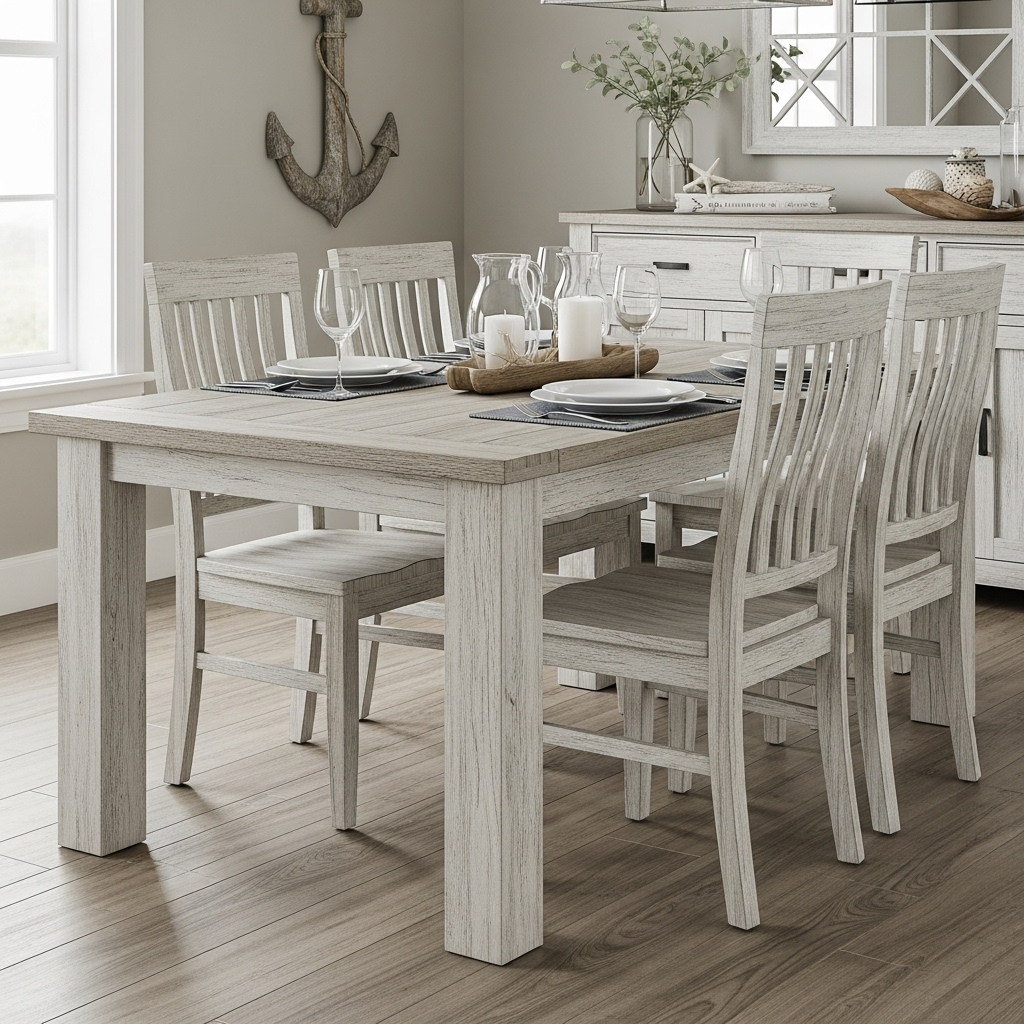
A wooden dining table gives the coastal grandmother style the warmth it needs. Whitewashed oak, pale natural wood, and lightly weathered finishes work particularly well because they introduce texture without making the room feel heavy.
You do not necessarily need to purchase a new table. An existing wooden table can work beautifully if its shape and condition suit the space. If the finish is too dark, consider whether a lighter stain or a suitable painted finish would complement your other furniture.
Pay attention to the table’s shape before choosing its color. A rectangular table is useful for longer rooms and family gatherings, while a round table can make a compact dining area feel less crowded. Leave enough space for chairs to slide back without hitting walls or nearby furniture.
For everyday use, look for a finish that is easy to wipe clean. Whitewashed surfaces vary in durability, so check whether the particular finish needs sealing or special care.
Decorating tip: Pair a pale wooden table with cream chairs and a simple ceramic vase. This creates a balanced starting point without requiring many additional decorations.
2. Incorporate Slipcovered Dining Chairs
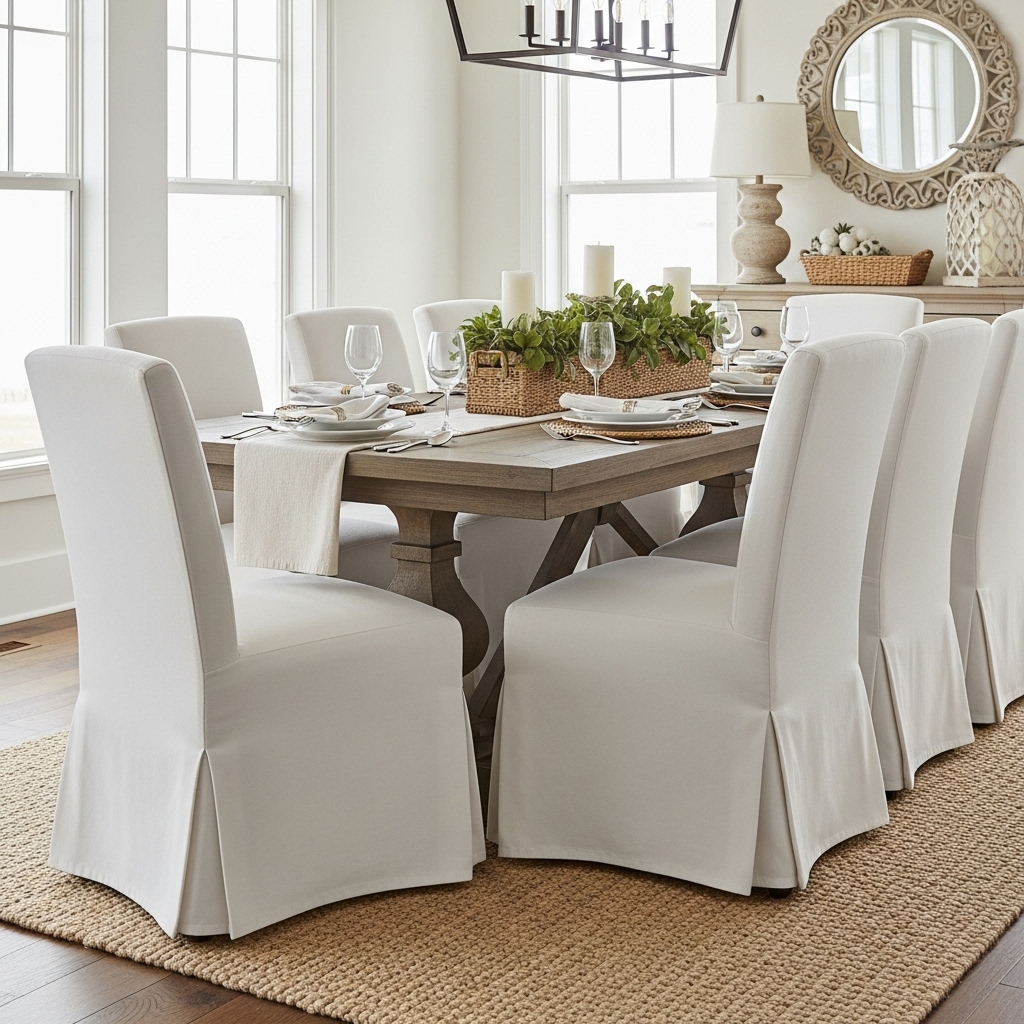
2. Soften the Space With Slipcovered Dining Chairs
Slipcovered dining chairs bring a relaxed, almost living-room-like quality to the dining area. Their fabric upholstery softens the appearance of a wooden table and makes the room feel less formal.
White, ivory, oatmeal, and pale beige are reliable choices. These shades work with most coastal color schemes and allow you to change smaller accessories without replacing the chairs.
However, the fabric deserves as much attention as the color. Removable, washable covers are helpful in homes with children, pets, or frequent dinner guests. Performance fabrics may be easier to maintain than delicate linen, particularly when spills are a regular occurrence.
You can also achieve a similar effect without buying a complete set of slipcovered chairs. Use upholstered end chairs at the head of the table and simpler wooden chairs along the sides. This arrangement adds softness while keeping costs under control.
Before purchasing, measure the available space and check the seat height against your table. Bulky chair covers can make a small dining room feel crowded, so choose proportions that leave enough room for comfortable movement.
Decorating tip: If you already own wooden chairs, try adding washable seat cushions in a natural fabric before investing in new furniture.
3. Display Oversized Hydrangea Arrangements
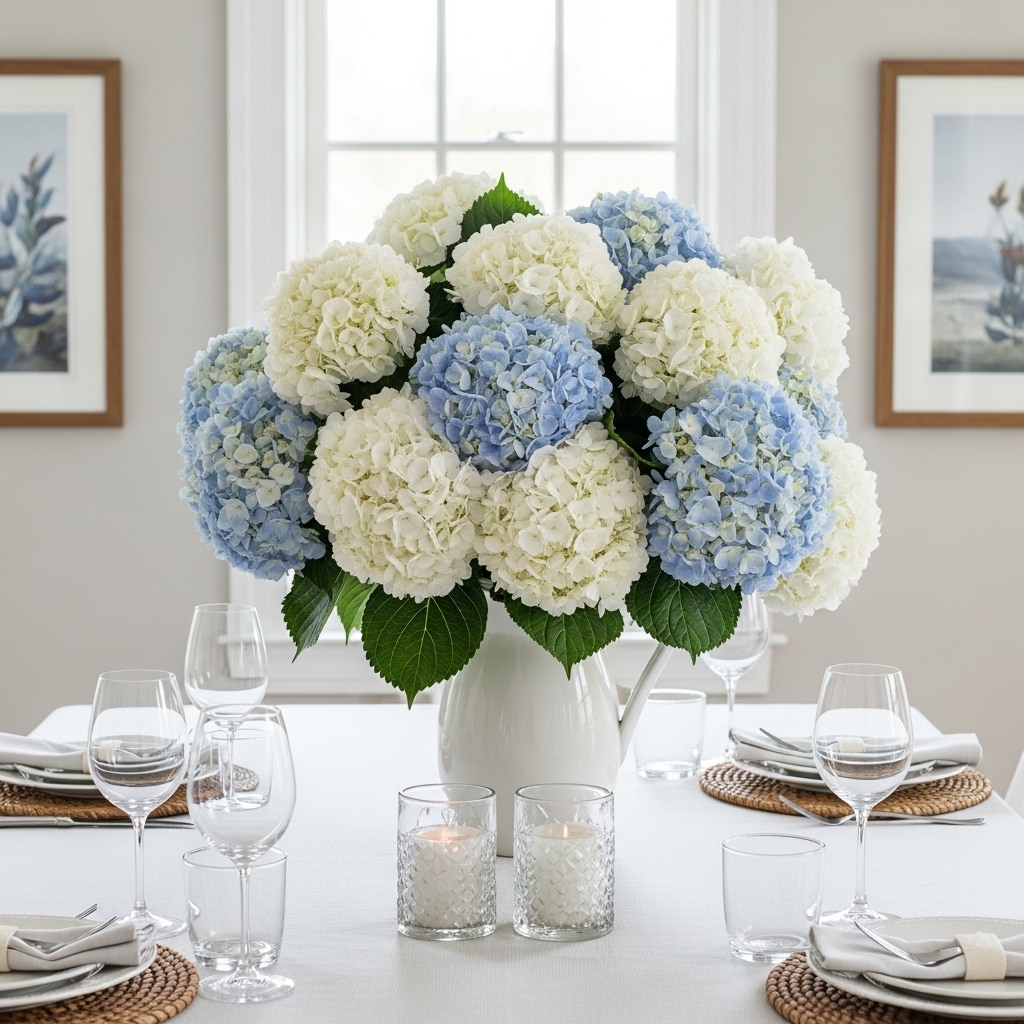
Fresh flowers add color and life to a neutral dining room. Hydrangeas are especially suitable for this look because their rounded blooms create a generous arrangement without requiring a complicated combination of flowers.
White hydrangeas keep the palette understated, while pale blue varieties introduce a gentle coastal accent. If hydrangeas are unavailable or outside your budget, try seasonal garden flowers, leafy branches, or a small arrangement of white blooms.
The container matters, too. A plain ceramic pitcher, clear glass vase, or lightly textured stoneware vessel usually fits the style better than an ornate centerpiece.
When arranging flowers, consider how people will use the table. A tall bouquet can obstruct conversation, especially across a narrow table. A lower arrangement is generally more practical for everyday meals, while a larger display can be reserved for occasions when the table is not being used as frequently.
You do not need fresh flowers every week to maintain the look. A simple vase filled with greenery can provide a similar natural element at a lower cost.
Decorating tip: Place the arrangement on a small tray if you want to move it easily when setting the table for dinner.
4. Install Woven Rattan Pendant Lights
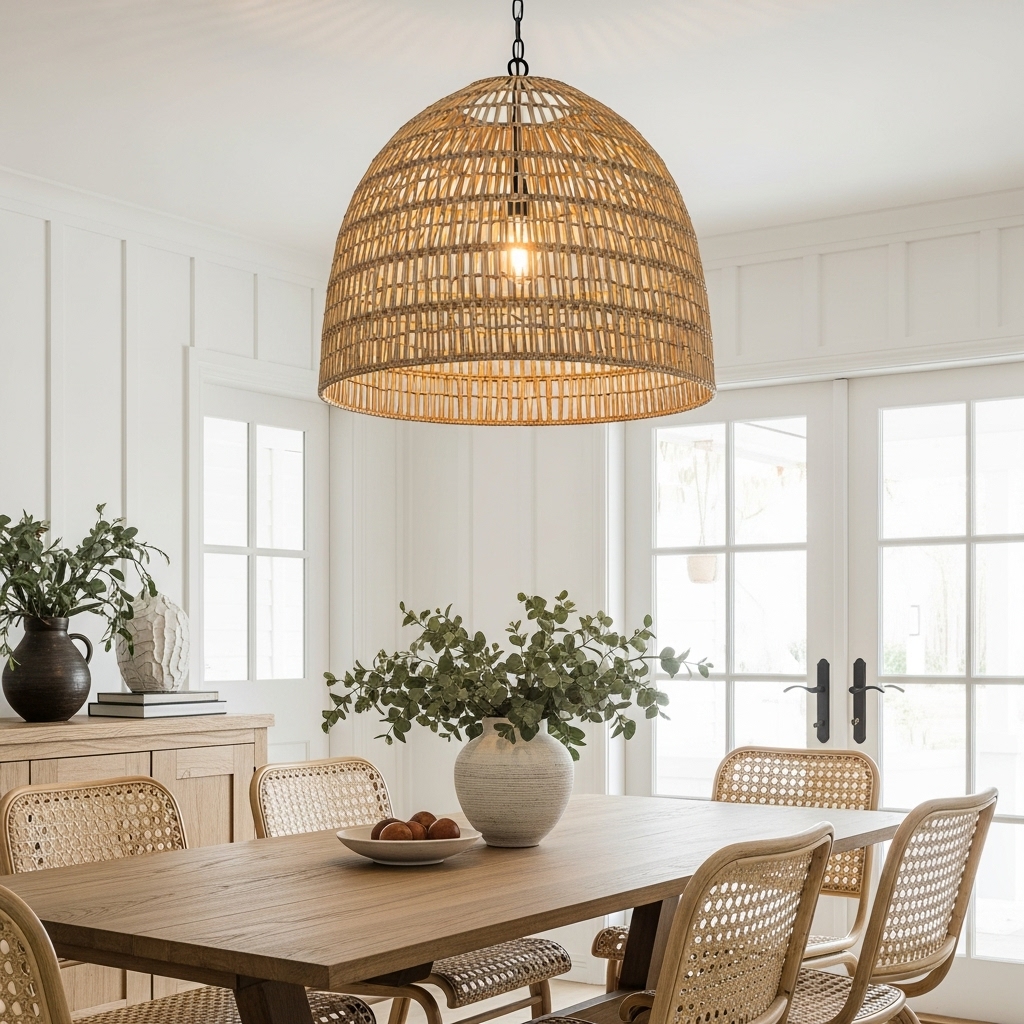
Lighting can change the entire mood of a dining room, and a woven pendant introduces texture without taking up valuable floor or table space.
Rattan, cane, and other woven finishes complement pale wood and linen particularly well. A natural pendant also provides contrast when the walls, curtains, and furniture are mostly white or cream.
The size and position of the fixture are important. A pendant that is too small may disappear above a large table, while an oversized shade can overwhelm a compact room. As a starting point, consider the table’s width, the ceiling height, and the amount of space people need around the fixture.
Hang the light so it illuminates the tabletop without obstructing people’s view across it. The exact height will depend on the fixture and room, so follow the manufacturer’s installation guidance and have electrical work completed safely.
Woven shades can also create patterned shadows when illuminated. If you prefer even light for reading or working at the table, look for a fixture that combines decorative appeal with a suitable light output.
Decorating tip: Use warm-toned bulbs for a welcoming evening atmosphere, and make sure the fixture provides enough light for meals and other activities.
5. Layer with Natural Jute or Sisal Rugs
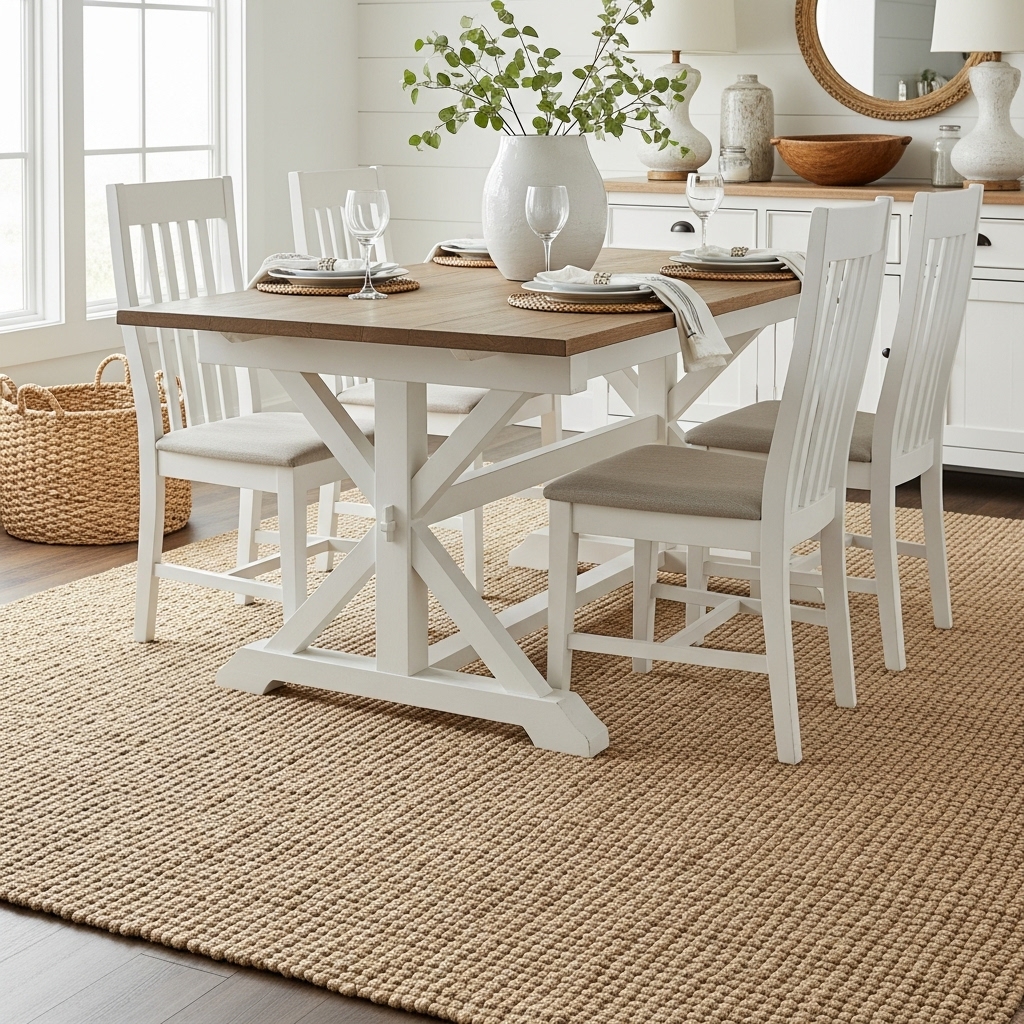
A rug can help define the dining area, particularly in an open-plan home where the kitchen, dining room, and living room share one space. Natural shades such as sand, oatmeal, and warm beige complement the coastal grandmother palette.
Jute, sisal, and seagrass are popular choices because their woven surfaces add contrast to smooth wooden furniture and soft upholstery. However, they are not equally easy to clean. Some natural fibers can stain when exposed to liquids, and certain materials do not respond well to frequent wet cleaning.
If your dining table is used daily, consider a low-pile rug with a washable or stain-resistant construction. A subtle woven pattern can provide the same natural look while making spills easier to manage.
Size is just as important as material. The rug should extend far enough beyond the table for chairs to remain on it when pulled back. A rug that is too small can catch chair legs and make the arrangement feel awkward.
Measure the table and the chairs in their pulled-out position before buying. In a particularly small dining room, it may be better to leave the floor bare than to squeeze in a rug that does not fit properly.
Decorating tip: Choose a rug color that relates to the wood tones or upholstery already in the room. You do not need an exact match; a similar warm or cool undertone is often enough.
6. Curate a Collection of Blue and White Chinoiserie
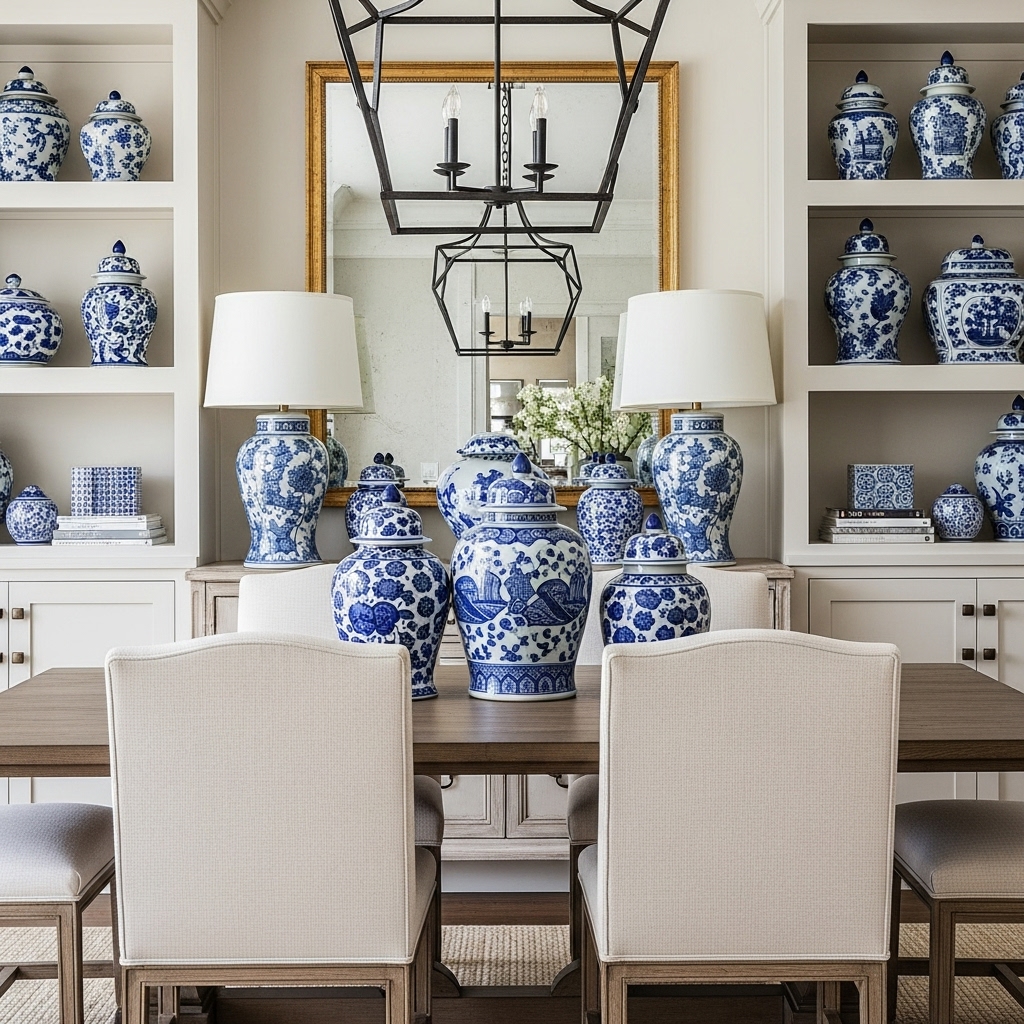
Blue and white porcelain is a useful way to introduce color without moving away from the relaxed, traditional character of coastal grandmother decor.
Decorative ginger jars, patterned vases, and ceramic bowls can bring interest to a wooden sideboard or open shelf. The combination works particularly well against white walls because the blue details stand out without dominating the room.
You do not need a large collection. Two or three pieces in different heights can create a more considered arrangement than a shelf crowded with matching accessories. Try placing a taller vase beside a shorter jar, leaving enough empty space around both.
The style of the ceramics can vary. Traditional chinoiserie patterns suit classic interiors, while simpler blue-glazed pottery works well in modern homes. Mixing the two can also create a collected appearance, provided the colors remain reasonably consistent.
If authentic antiques are beyond your budget, secondhand shops and affordable ceramic collections offer alternatives. Focus on shape, color, and condition rather than whether an item is expensive.
Decorating tip: Repeat a small amount of blue elsewhere in the room through napkins, artwork, or a cushion on a nearby bench. This helps the ceramics feel connected to the rest of the decor.
7. Dress the Table with 100% Linen Textiles
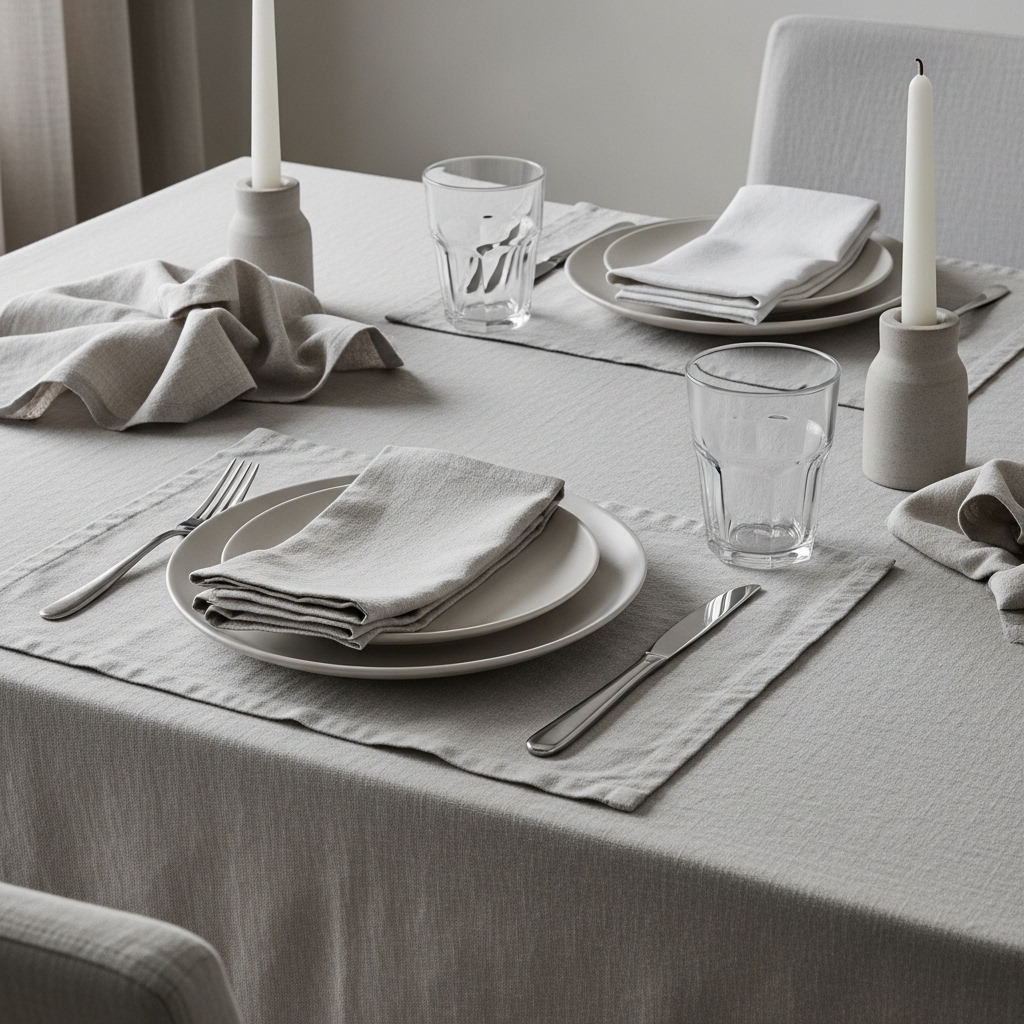
Table linens are an easy way to make a dining room feel finished without changing the furniture. A linen tablecloth, cotton napkins, or simple woven placemats can introduce softness while keeping the table practical.
Look for warm white, natural flax, oatmeal, and pale gray. These shades work with light wood and blue-and-white ceramics, and they are easy to reuse throughout the year.
Pure linen has a relaxed texture and naturally develops creases during use. If you like a casual table, those wrinkles can be part of the appeal. Cotton and linen blends are worth considering if you prefer easier ironing or a slightly more structured appearance.
Think about how you use the table before choosing a full tablecloth. A cloth can protect the surface and create a softer setting, but individual placemats may be more convenient for everyday meals. They are also easier to wash and replace if they become stained.
For special occasions, combine a simple tablecloth with cloth napkins and understated tableware. Avoid adding too many decorative layers, especially when serving dishes need to fit on the table.
Decorating tip: Buy a few versatile napkins first. You can use them with different plates and centerpieces, making them a practical starting point for a new tablescape.
8. Install Open Shelving for White Stoneware
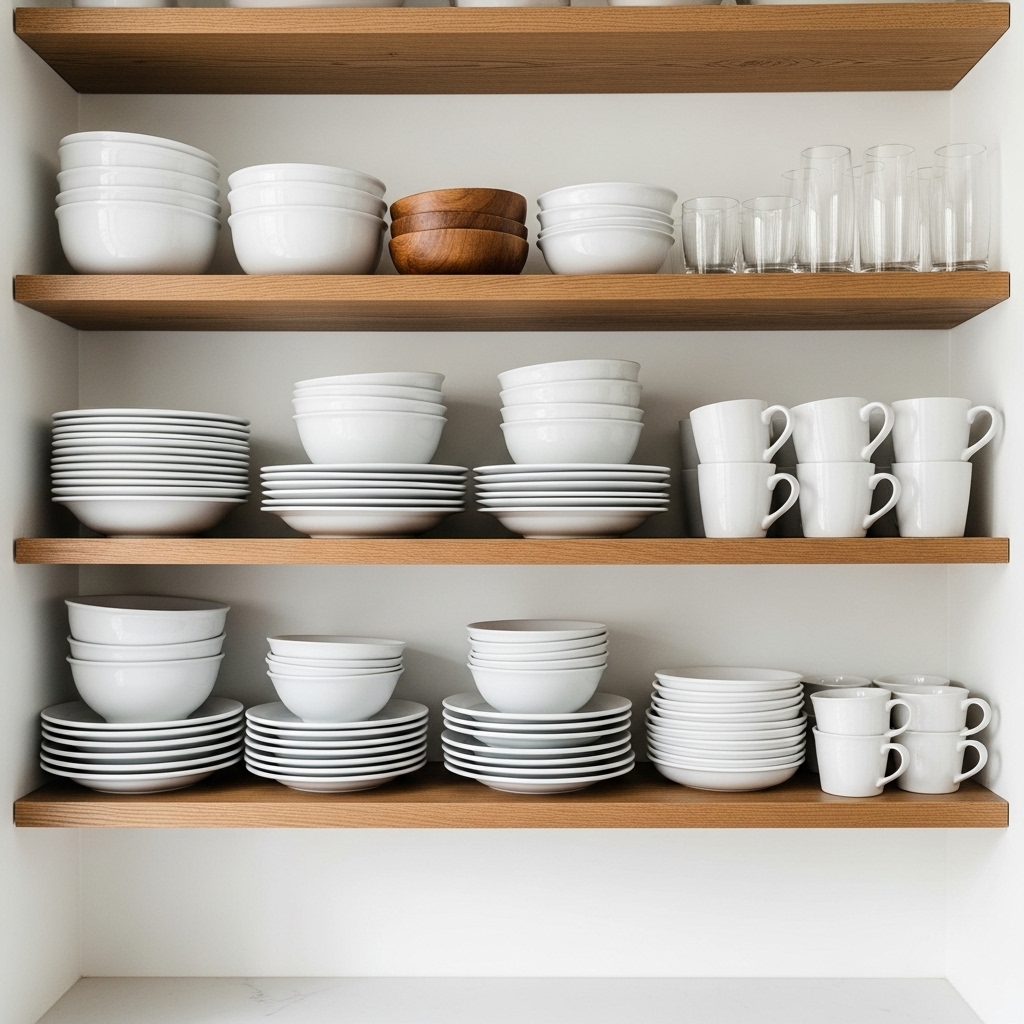
Open shelving can give a dining room a relaxed, lived-in appearance while keeping frequently used dishes within reach. White stoneware, simple ceramic bowls, and clear glassware fit naturally into this style.
Wooden shelves add warmth, while white shelves blend into the wall and make the display feel lighter. Choose the finish that best suits the rest of your furniture rather than introducing another unrelated material.
The most attractive shelves are not necessarily the ones holding the most objects. Stack everyday plates in small groups, arrange bowls by size, and leave some open space between collections. A few wooden serving bowls or a small vase can break up the repetition without making the shelves look cluttered.
Practicality should come first. Use appropriate wall fixings, account for the weight of the dishes, and avoid placing fragile items where they might be knocked down. If dust or grease is a concern, a closed cabinet with glass doors may be a better option.
You can also create the same effect with an existing bookcase or dining-room hutch. Reorganizing what you already own is often cheaper than installing new shelves.
Decorating tip: Keep the most frequently used dishes on the easiest-to-reach shelves and reserve higher shelves for decorative pieces.
9. Add Warm Brass Accents
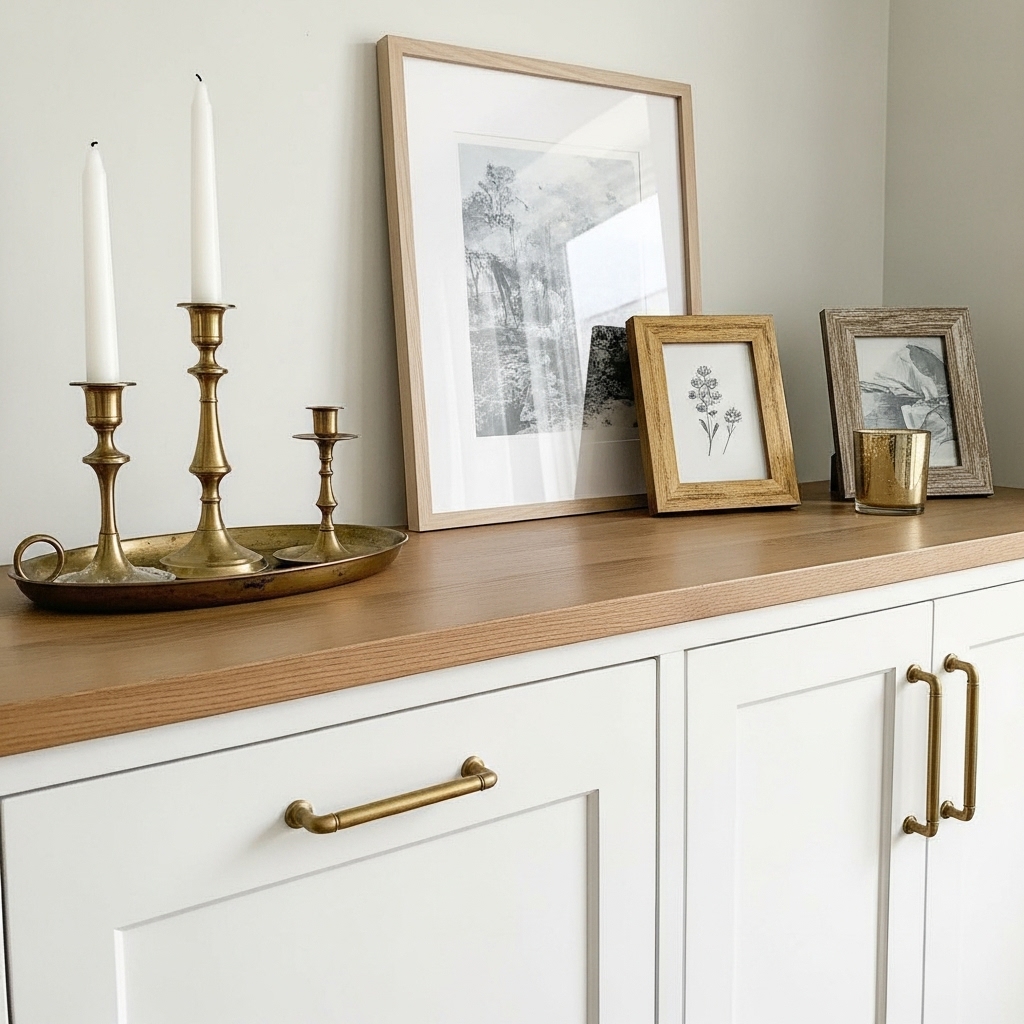
A room filled with white furniture, pale walls, and cool blue accents can sometimes feel a little flat. Brass details introduce warmth and provide a subtle contrast to the softer materials.
You can bring in brass through candleholders, cabinet handles, picture frames, or a small decorative bowl. Antique brass and brushed finishes tend to suit relaxed interiors particularly well because they are less reflective than highly polished gold.
There is no need to replace every metal fitting in the room. Start with one or two accents and see how they work with the existing hardware and lighting. Too many competing metal finishes can make the room feel less cohesive.
Unlacquered brass can develop a patina over time, while coated finishes generally retain a more consistent appearance. If you prefer the metal to remain bright, check the manufacturer’s care instructions before purchasing.
For a budget-friendly update, look for secondhand candlesticks or change the hardware on a suitable sideboard. Small changes can make a noticeable difference when the rest of the room is relatively simple.
Decorating tip: Repeat the same brass finish in two or three places, such as a candleholder, a frame, and a cabinet handle. This creates a connection without making the metallic details overpower the room.
10. Mix and Match Vintage Glassware
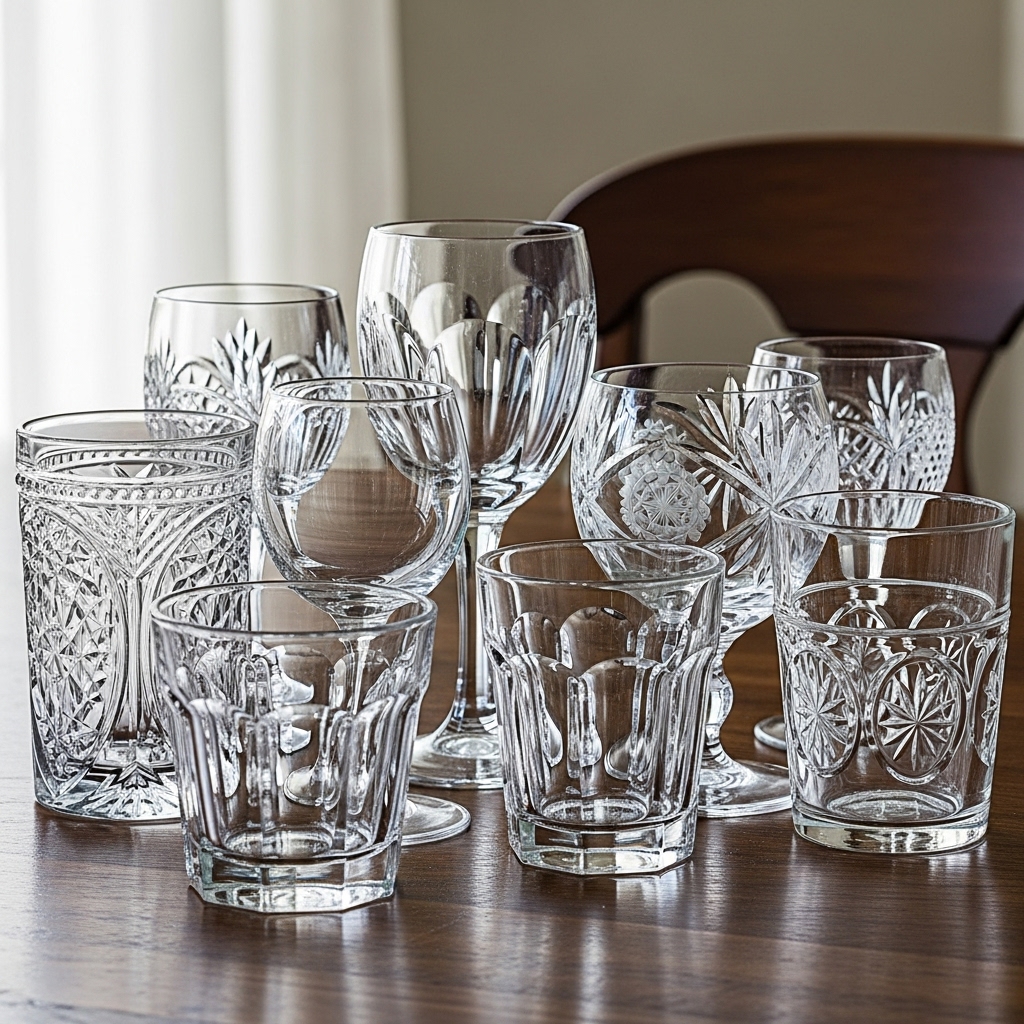
A collection of slightly different glasses can make a table feel personal rather than overly coordinated. Pressed-glass tumblers, etched goblets, and clear vintage-style wine glasses all work well with the relaxed character of coastal grandmother decor.
The trick is to mix pieces that have something in common. They might share a clear finish, a similar tint, or a traditional shape, even if their sizes and patterns differ.
You can find interesting glassware at thrift shops, estate sales, and secondhand markets. Before buying, inspect each piece for chips, cracks, and cloudy areas that may not come clean. If you are purchasing vintage glass, check whether it is suitable for its intended use, particularly if you plan to serve food or drinks in it.
There is no need to replace an entire set of everyday glasses. Keep your regular tumblers and introduce a few distinctive pieces for guests or special meals.
If the dining table is small, avoid displaying too many glasses as permanent decorations. Store them in a cabinet or on a sideboard and bring them out when needed.
Decorating tip: Use simple white plates and neutral napkins with patterned glassware. Let one element stand out instead of making every part of the table compete for attention.
11. Utilize Seagrass Baskets for Storage
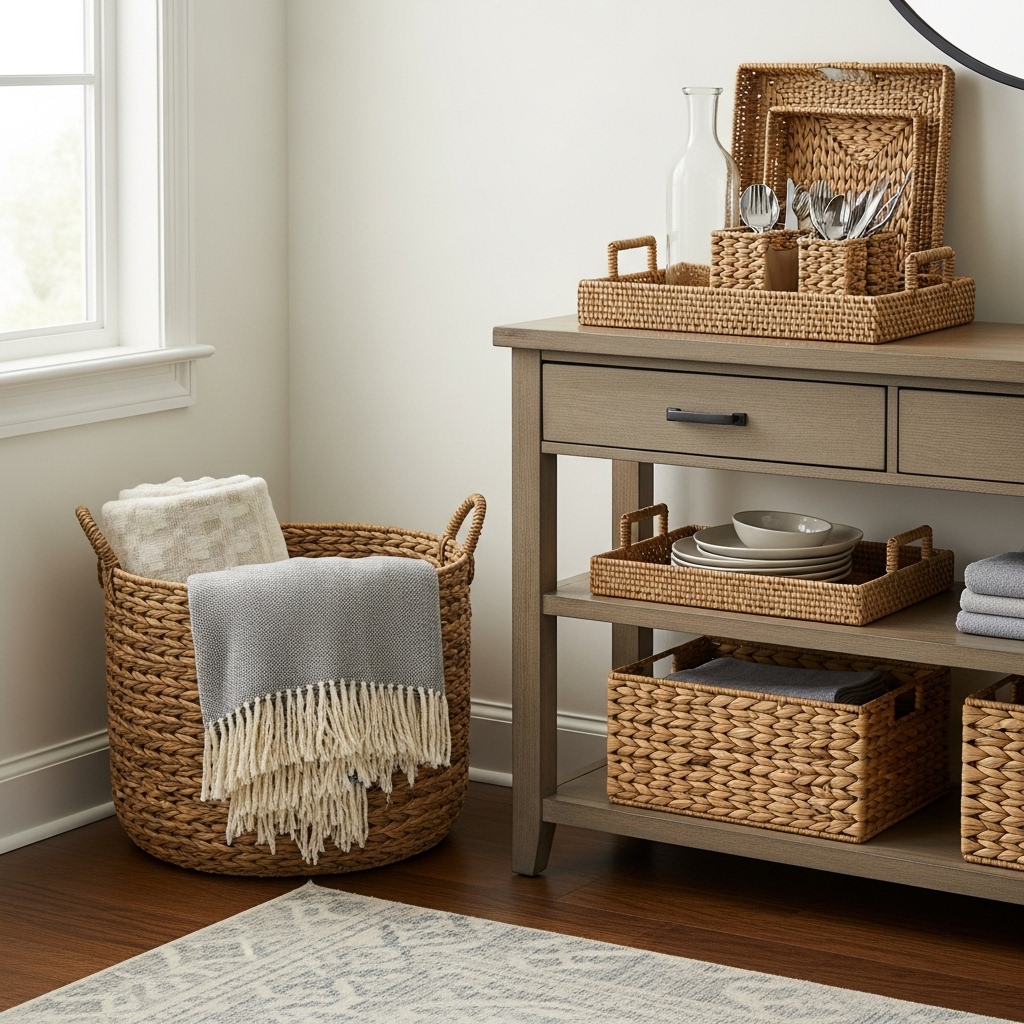
Storage is an important part of making a dining room feel relaxed. Even a beautifully decorated space can look untidy when napkins, serving accessories, children’s supplies, and everyday items are scattered across the table.
Woven baskets provide a practical solution while adding the natural texture associated with coastal interiors. Seagrass, rattan, and other woven materials work well with wooden furniture and neutral fabrics.
Use a larger basket on a lower shelf to store table linens or spare cushions. Smaller baskets can hold placemats, napkins, or serving accessories inside a sideboard. A shallow woven tray can also keep a few frequently used items together.
Choose baskets that fit their intended purpose. Open-weave designs are attractive for storing linens, but a lined or more enclosed container may be better for smaller items that could slip through the gaps.
In a compact dining area, look for storage that uses space you already have. A basket tucked beneath a console table or placed inside an existing cabinet can provide useful organization without taking up additional floor space.
Decorating tip: Give each basket a specific purpose. When everything has a place, it becomes easier to keep the dining table clear between meals.
12. Paint Walls in Soft, Airy Hues
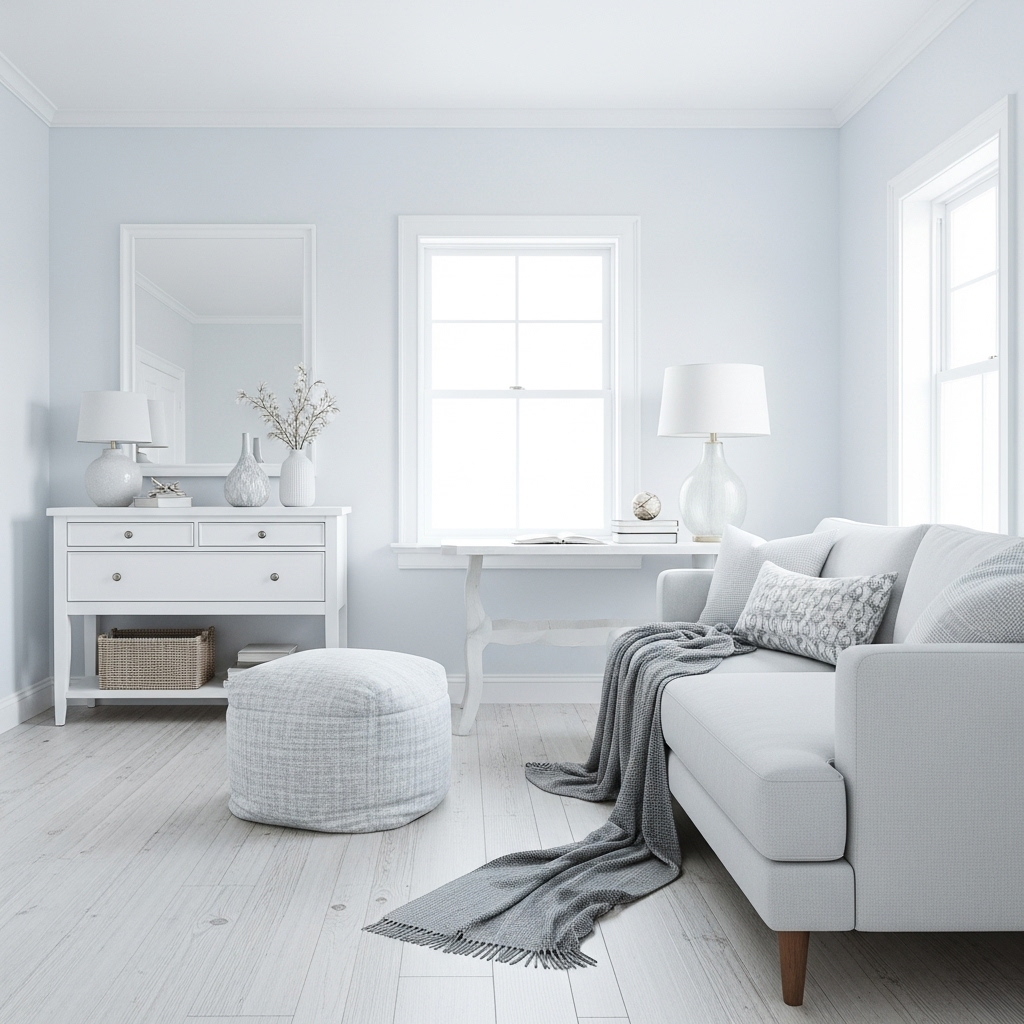
Wall color sets the foundation for the rest of the room. Soft white, warm cream, pale greige, and muted blue are all suitable choices for a coastal grandmother dining room.
The best shade depends on the room’s natural light and the finishes already in place. A white that looks warm in a sunlit room may appear cooler in a space with limited daylight. Similarly, a pale blue can look noticeably stronger on a large wall than it does on a small paint sample.
Before committing to a color, test a few samples on different walls and observe them at various times of day. Consider the undertones of the flooring, table, and upholstery as well. A creamy wall color may complement warm wood, while a cleaner white might suit cooler finishes.
If you are decorating a rental or working with a limited budget, you do not have to repaint the entire room. Light curtains, neutral artwork, and pale table linens can introduce the same general feeling without permanent changes.
Avoid assuming that every surface must be white. A muted blue accent wall, natural wood paneling, or a slightly darker sideboard can add character while keeping the overall palette relaxed.
Decorating tip: Choose the wall color before buying large accessories. It is easier to coordinate smaller decorative items around an established palette than to make every purchase separately.
How to Put These Coastal Grandmother Dining Room Ideas Together
Choosing individual decorating pieces is only part of the process. The room will feel more cohesive when the furniture, colors, and textures work together.
Start with the largest elements: the dining table, chairs, and wall color. These will have the greatest influence on the overall appearance. Once they are in place, introduce lighting and textiles before adding smaller accessories.
A useful way to balance the room is to combine three kinds of materials:
- Natural materials: Wood, rattan, jute, or woven baskets provide warmth and texture.
- Soft materials: Linen curtains, cotton napkins, and upholstered chairs make the room feel comfortable.
- Hard decorative accents: Ceramic dishes, clear glassware, and brass details add contrast and interest.
You do not need every material in every room. A small dining area may need only a wooden table, simple upholstered chairs, a light fixture, and one or two carefully chosen accessories.
A Simple Coastal Grandmother Color Palette
For an easy starting point, try this combination:
- Walls: warm white or soft cream.
- Main furniture: pale oak or natural wood.
- Upholstery: ivory, oatmeal, or light beige.
- Accent color: muted blue.
- Accessories: clear glass, white ceramics, and a little brass.
- Natural texture: one or two woven elements.
Repeat colors in small ways throughout the room. For example, blue in a ceramic vase can be echoed by a pair of napkins, while the wood of the table can relate to the finish of a shelf or sideboard.
How to Adapt the Style to a Small Dining Room
A small room does not need oversized furniture or a large centerpiece to achieve the look. A round table may improve movement in a compact space, while armless chairs can take up less room visually.
Use wall-mounted shelves or a narrow sideboard instead of bulky storage furniture. Keep the tabletop relatively clear, and choose a pendant that provides sufficient light without overwhelming the space.
If you want a rug, measure the area with the chairs pulled back before buying one. A poorly sized rug can make a small room feel even more cramped.
Most importantly, allow some empty space. A relaxed interior does not require every corner to be decorated.
How to Create the Look on a Budget
You can build this style gradually instead of replacing all your furniture at once.
- Work with what you own. A wooden table, existing chairs, or a secondhand cabinet may already fit the look.
- Update the textiles. Neutral napkins, a simple table runner, or washable chair cushions can soften the room without a major expense.
- Shop secondhand. Look for useful ceramic pieces, glassware, wooden furniture, and simple frames.
- Add one natural focal point. A vase of seasonal flowers or a woven pendant can make more of an impact than several small decorations.
- Avoid buying matching sets unnecessarily. A collected room often looks more personal when a few complementary pieces come from different sources.
The aim is not to make the dining room look expensive. It is to make the space feel considered, comfortable, and suited to the people who use it.
Common Mistakes to Avoid With Coastal Grandmother Decor
A few decorating choices can make this style less successful, particularly when the room is already small or filled with furniture.
Using too many coastal motifs: Seashells, anchors, rope details, and nautical signs are not necessary. The style is more about light, natural materials, and relaxed traditional furnishings than literal beach decorations.
Choosing white without considering undertones: Cool white walls can clash with warm wood or cream upholstery. Test paint samples before committing.
Buying a rug that is too small: Dining chairs should have enough room to move without catching the rug’s edge. Measure before ordering.
Prioritizing appearance over maintenance: Delicate upholstery, difficult-to-clean rugs, and fragile accessories may not be suitable for a busy family dining room. Choose materials that suit your routine.
Filling every surface: Too many vases, jars, and decorative objects can make a room feel cluttered. Leave enough open space for the furniture and the room’s natural textures to stand out.
Ignoring the lighting: A beautiful dining room can feel uncomfortable if the light is too harsh or insufficient. Aim for practical illumination during meals and a warmer atmosphere in the evening.
Frequently Asked Questions
Can I create a coastal grandmother dining room on a budget?
Yes. Start with furniture you already own, then introduce a few affordable updates such as neutral table linens, secondhand glassware, a simple vase, or a woven basket. Painting an existing piece of furniture may also be more economical than replacing it.
Spend money where it makes the biggest difference, such as a comfortable chair or a suitable dining light, and add decorative pieces gradually.
Is coastal grandmother decor suitable for families with children?
It can be. Choose wipeable table finishes, washable chair covers, and accessories that are easy to move when the table is in use. If spills are common, a low-pile, stain-resistant rug may be more practical than a delicate natural-fiber option.
You can still use light colors without making every surface difficult to maintain. Select materials based on how your household actually uses the room.
Do I need to live near the beach to use this style?
No. The look is based on a relaxed, light-filled interior rather than a particular location. It works in apartments, suburban houses, and country homes. Natural wood, comfortable seating, soft colors, and simple ceramics can create the same atmosphere inland.
What colors work best for a coastal grandmother dining room?
Warm white, cream, pale beige, natural wood, and muted blue are useful starting points. You can introduce soft gray, sage green, or gentle sand tones as well. Test colors in your own room because daylight and existing finishes can affect how a shade appears.
What type of dining table suits this style?
Wooden tables with natural, pale, or lightly weathered finishes are especially suitable. Rectangular tables work well in longer rooms, while round tables can make compact dining areas easier to navigate. Choose a size that allows people to sit comfortably and move around the room.
Are natural fiber rugs a good choice under a dining table?
They can be, but consider cleaning requirements before purchasing. Jute and sisal add texture, yet some natural fibers are difficult to clean when food or drinks spill. A washable or stain-resistant low-pile rug may be a better option for a frequently used dining room.
How can I make the dining room feel cozy without cluttering it?
Use a combination of warm lighting, comfortable seating, soft textiles, and a few meaningful accessories. A centerpiece, a piece of artwork, or a small collection of ceramics is often enough. Keep frequently used surfaces clear so the room remains practical for everyday meals.
Final Thoughts
A coastal grandmother dining room does not need a complete makeover to feel inviting. The right combination of natural wood, comfortable chairs, soft colors, and a few well-chosen accessories can transform an ordinary dining area into a place where people enjoy spending time together.
Start with the furniture you already have, decide which colors suit your room, and introduce new pieces only when they serve a purpose. You might begin with linen napkins and a simple vase, then add a woven light or update the wall color later.
The most successful version of this style is one that feels natural to your home. Whether you prefer vintage porcelain, simple modern furniture, or a mixture of old and new pieces, aim for a dining room that looks welcoming and works well for everyday life.