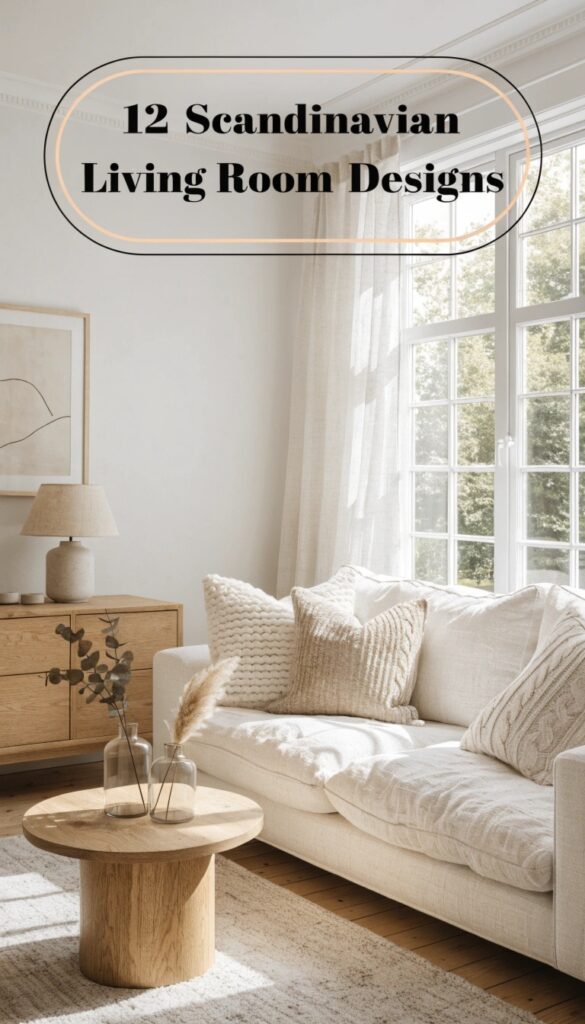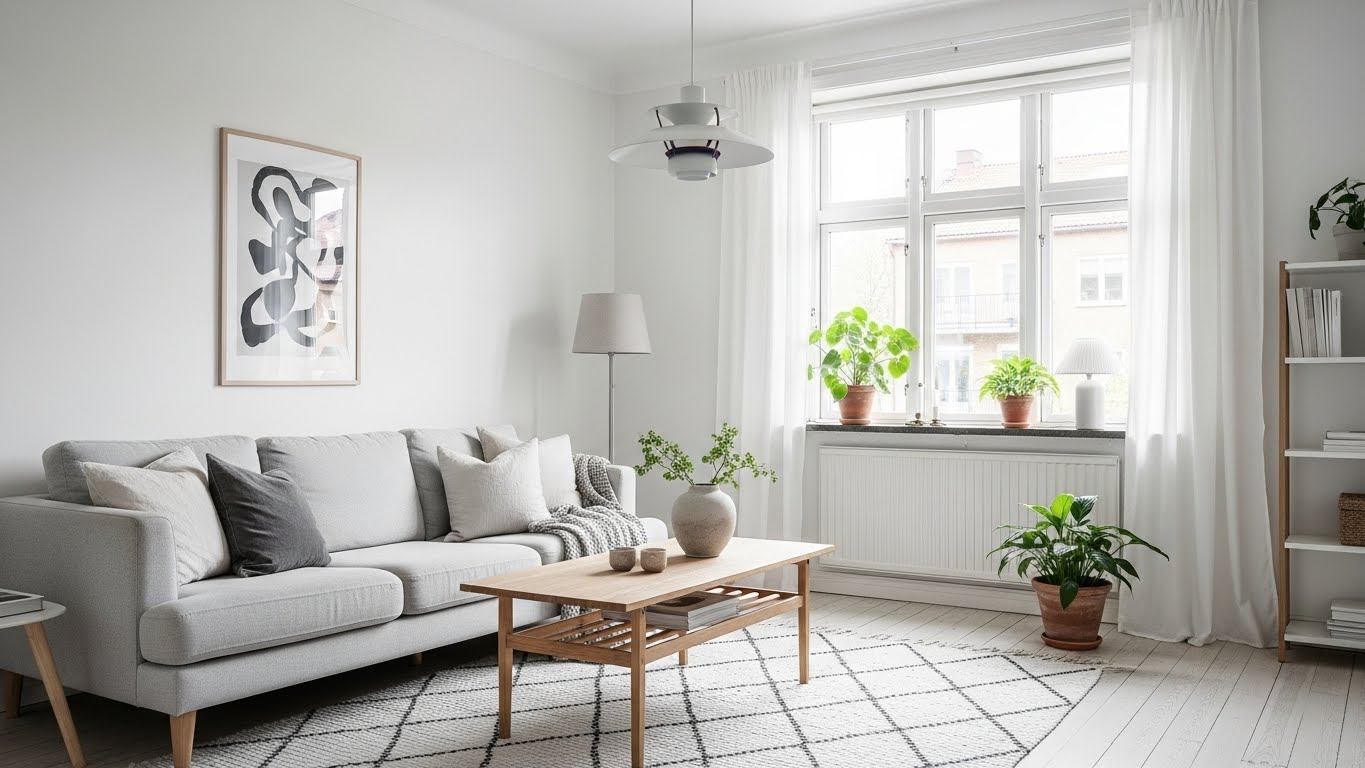
Scandinavian living room design is rooted in clarity, comfort, and quiet sophistication.
Inspired by Nordic traditions, it favors clean lines, practical layouts, and an unmistakable sense of warmth.
These 12 Scandinavian living room designs balance minimalism with character, proving that simplicity never has to feel cold.
Soft neutral palettes meet natural textures like wood, wool, and linen. Light-filled spaces are carefully styled, yet never cluttered.
Furniture is purposeful, decorative accents are subtle, and every detail earns its place.
The result is a living room that feels calm but lived-in, modern yet timeless. It’s a style that prioritizes ease, beauty, and everyday comfort in equal measure.
Why Choose Scandinavian Design
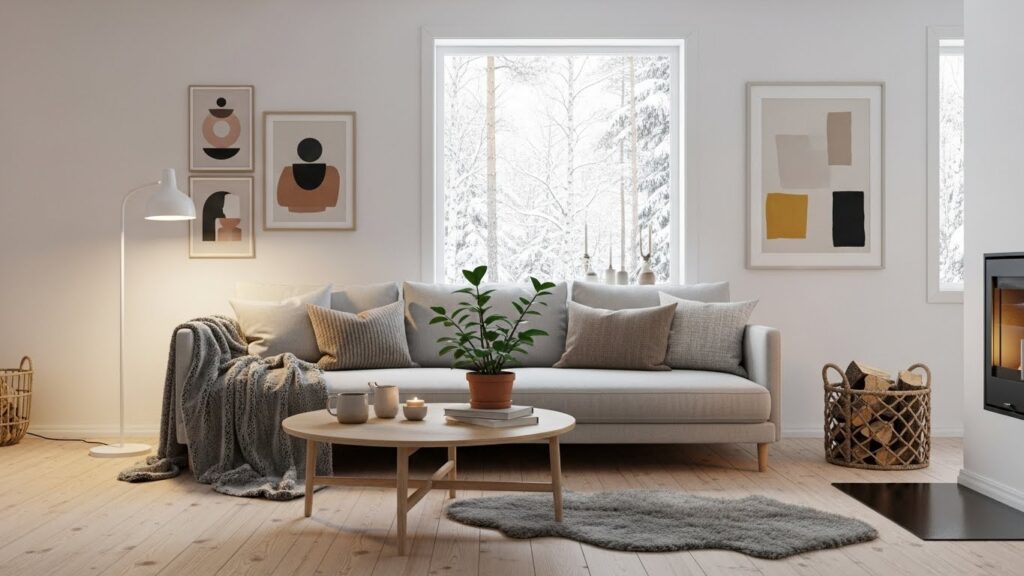
Scandinavian design offers tranquility through clean lines and natural materials, fostering a peaceful home environment amid busy lives.
Its focus on sustainability uses durable, eco-friendly elements like wood and textiles, reducing waste while prioritizing quality over quantity.
Functionality shines in multifunctional pieces that maximize space, making it ideal for compact urban homes, with low-maintenance features that suit fast-paced routines.
Personalization adds unique touches, blending Nordic serenity with individual style for enduring comfort.
1. Neutral Color Palette
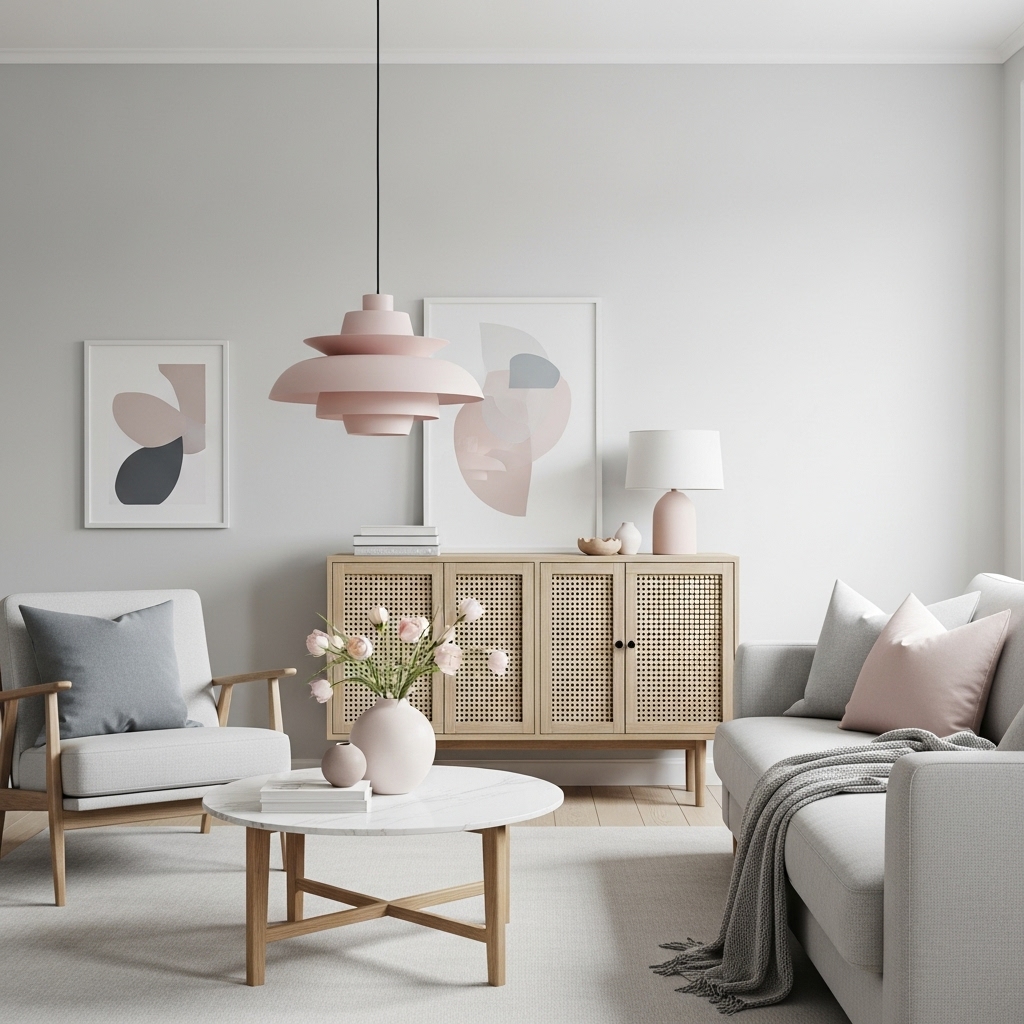
A neutral palette of whites, grays, and beiges forms the foundation of Scandinavian living rooms, reflecting natural light to keep spaces bright and airy.
These soft tones create a calming backdrop, enhancing the sense of openness even in smaller areas.
Layer subtle pastels like light pink or muted blue on accents for gentle warmth without overwhelming the minimalist vibe.
This approach avoids bold colors, promoting relaxation and versatility for seasonal updates.
Wooden elements in light oak or ash tones ground the scheme, mimicking Nordic forests. Overall, neutrals ensure timeless elegance and easy coordination with furniture and textiles.
2. Natural Wood Elements
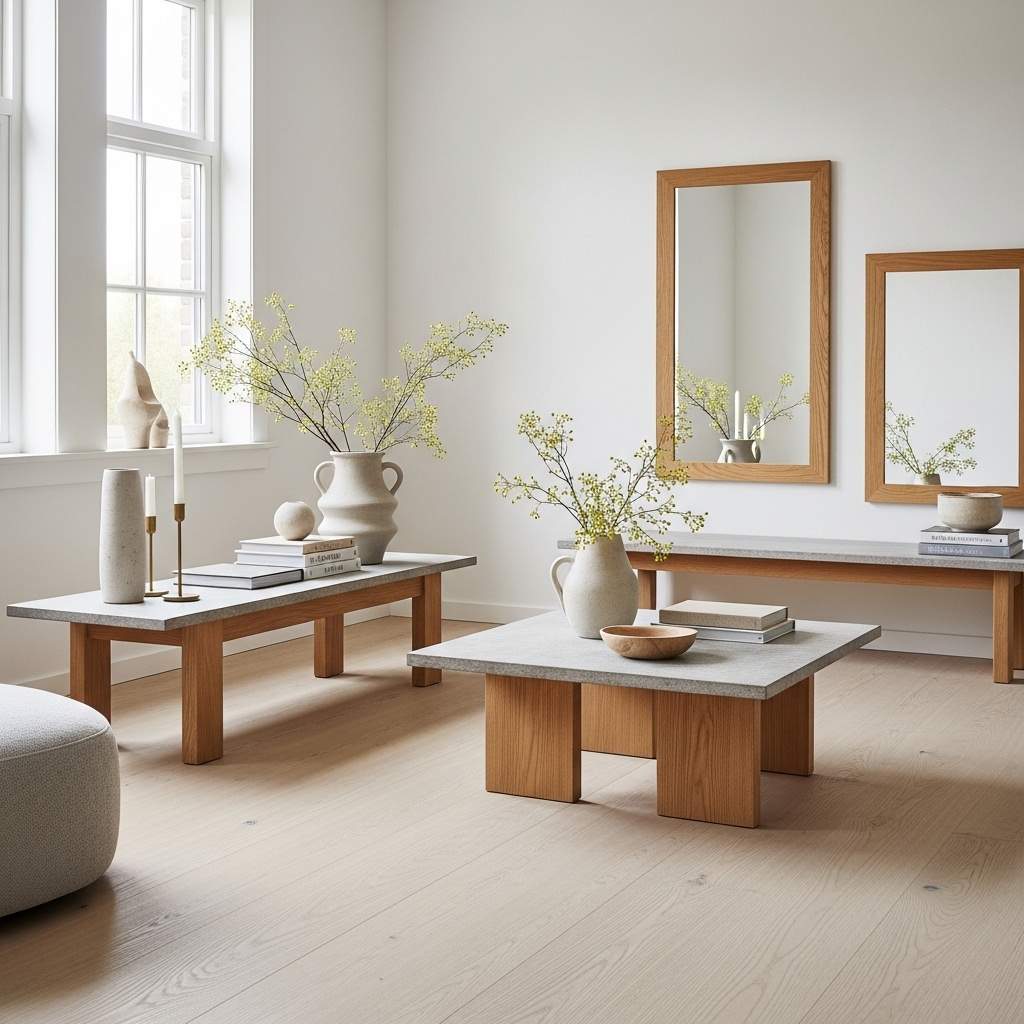
Incorporate light woods like birch, pine, or oak for flooring, furniture legs, and accents to bring organic warmth into Scandinavian living rooms.
These materials add texture and authenticity, contrasting smoothly with white walls for balanced depth.
Avoid dark stains; opt for raw or lightly finished surfaces to maintain brightness and a connection to nature.
Coffee tables or shelves in teak provide subtle luxury, while wooden frames on mirrors enhance functionality.
This design choice promotes sustainability, as woods age gracefully without frequent replacement. Pair with stone tops for grounded stability, creating cozy yet modern nooks .
3. Ample Natural Light
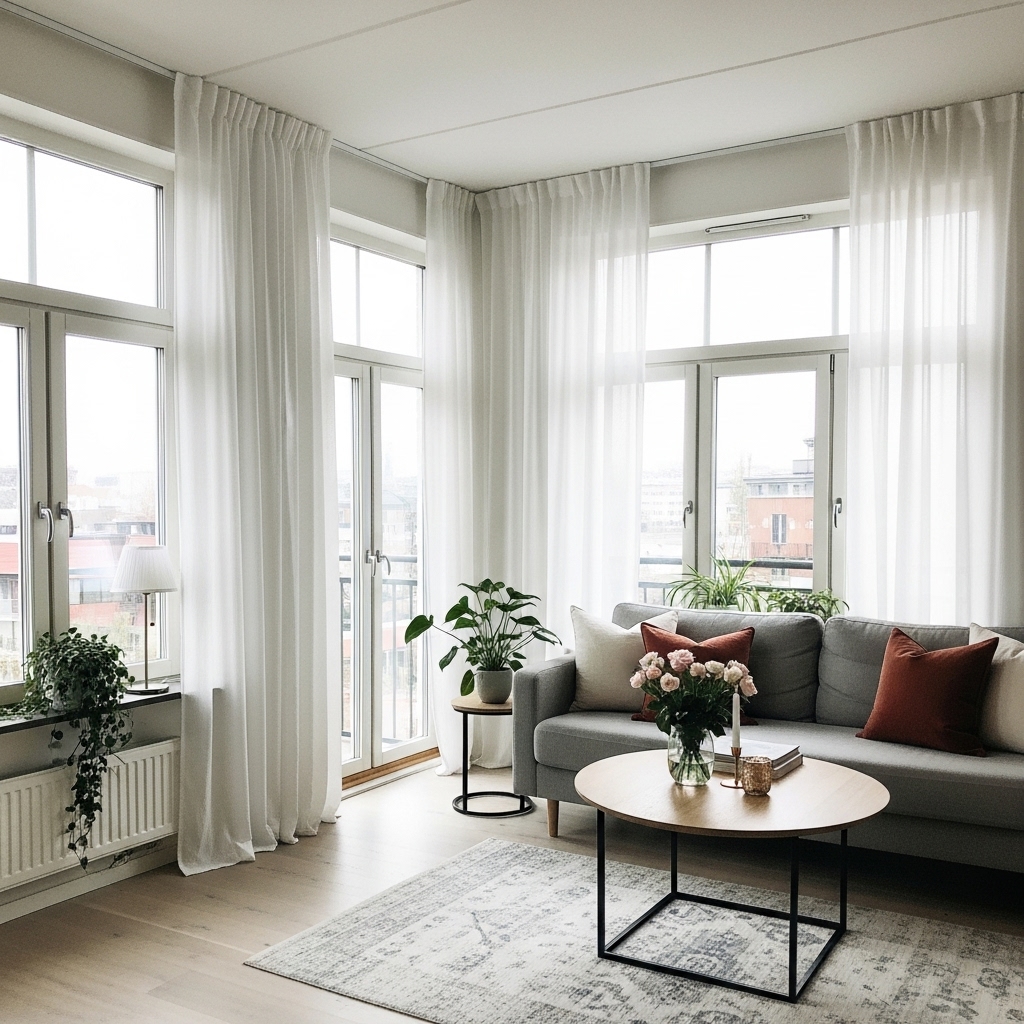
Maximize natural light with large windows and sheer curtains in Scandinavian designs, allowing daylight to flood the room for an expansive feel.
Sheer whites diffuse harsh rays while preserving views, embodying the Nordic love for luminosity.
Position seating near windows to capture morning sun, enhancing hygge coziness.
Mirrors strategically placed opposite windows amplify light, making compact spaces feel larger.
This principle reduces reliance on artificial sources during long evenings, promoting well-being. Keep sills clear or add trailing plants for subtle greenery that filters light softly .
4. Cozy Textiles and Textures
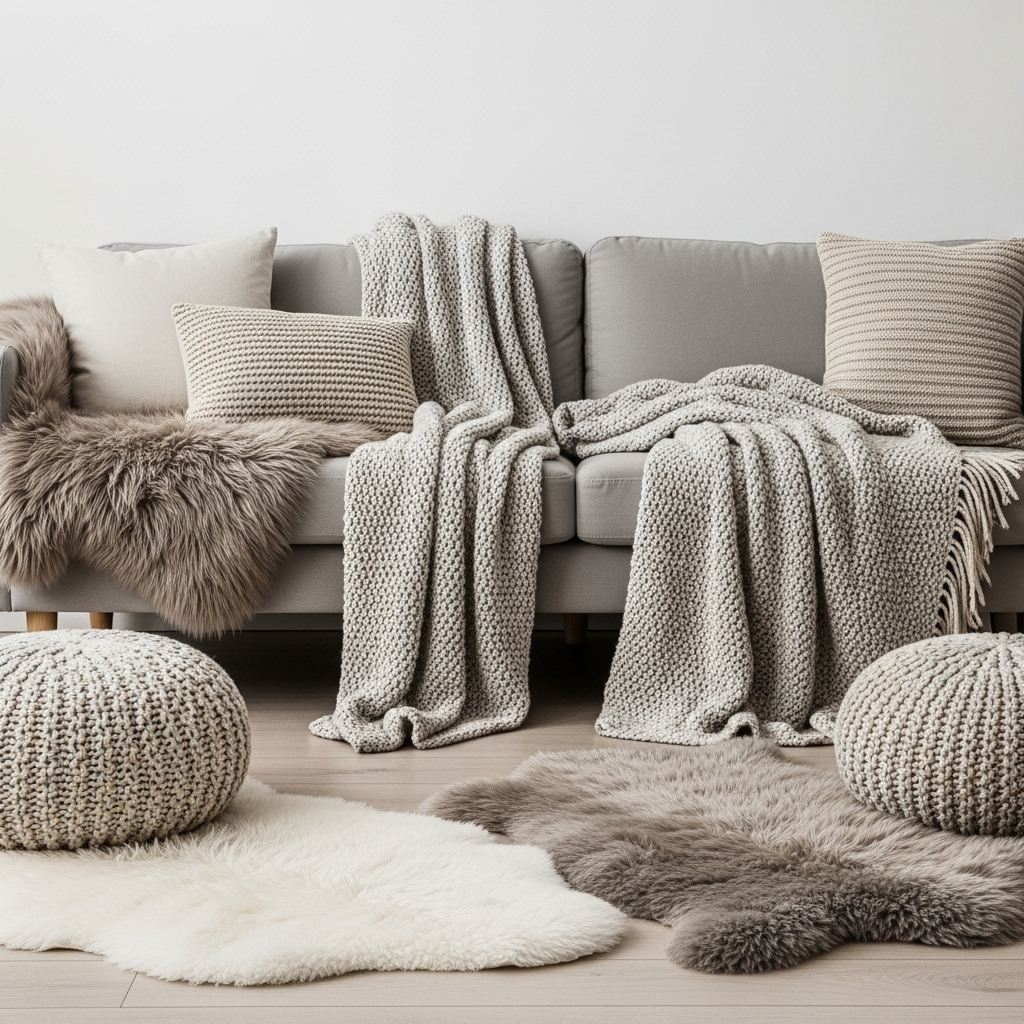
Layer plush textiles like wool throws, knitted cushions, and sheepskin rugs to infuse hygge warmth into sleek Scandinavian living rooms.
Faux fur on chairs or benches adds tactile comfort without clutter.
Choose earthy tones in cotton, linen, or chunky knits for sofas, creating inviting nests for relaxation.
These elements soften hard wood surfaces, balancing minimalism with sensory appeal.
Oversized blankets double as functional decor, draped casually for effortless style. This layering technique transforms sparse spaces into nurturing retreats, perfect for family gatherings .
5. Indoor Plants and Greenery
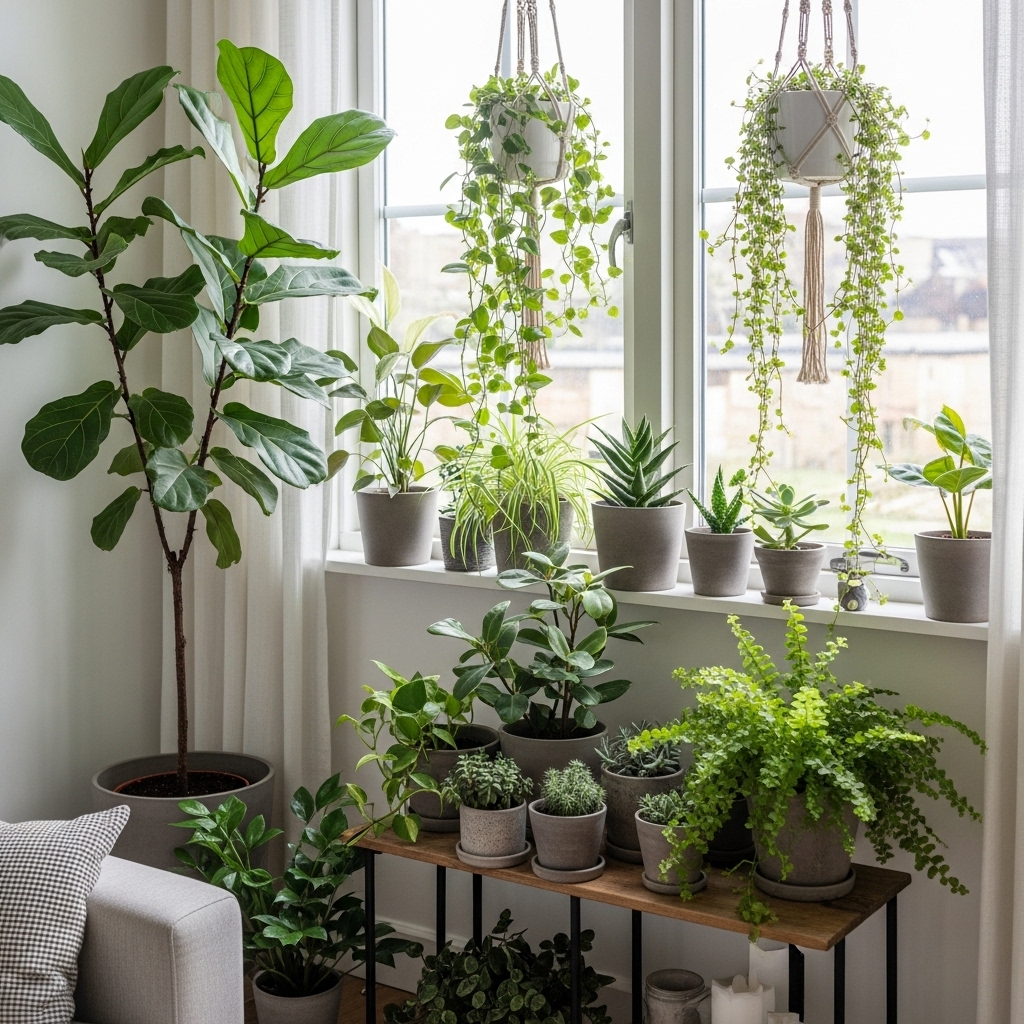
Greenery thrives in Scandinavian living rooms, with potted ferns, succulents, and trailing ivies mimicking Nordic outdoors.
Tall fiddle leaf figs in corners purify air and add height without dominating.
Cluster small pots on shelves for varied textures, enhancing biophilic design. Low-maintenance varieties suit busy lifestyles, bringing life to neutral palettes.
Hang macrame planters near windows for cascading effects that draw eyes upward. Plants foster tranquility, aligning with sustainable principles by improving indoor quality naturally.
6. Minimalist Furniture
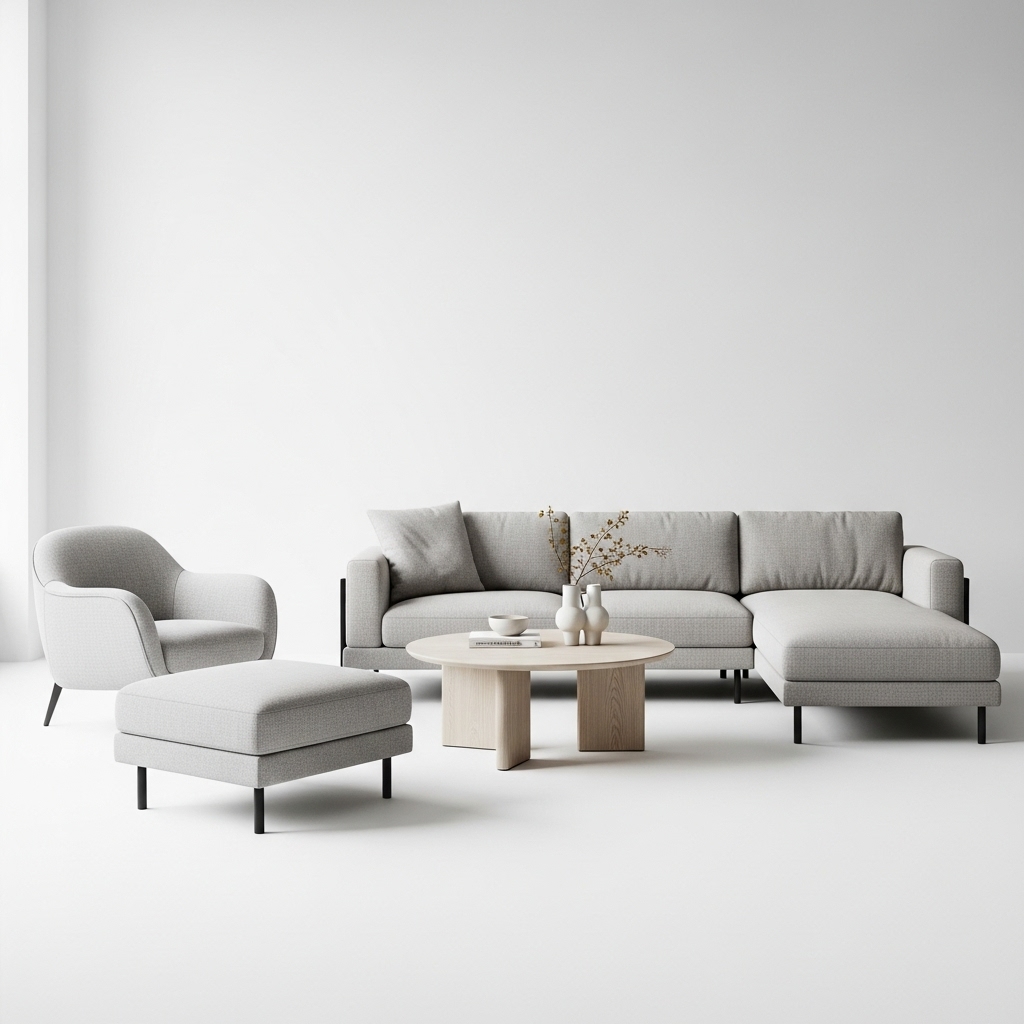
Select sleek, functional furniture with clean lines for Scandinavian efficiency, like low-profile sofas and multifunctional ottomans.
Curved edges on armchairs introduce soft modernity, prioritizing comfort.
Avoid excess; one statement piece like a sculptural table suffices. Modular sectionals adapt to open plans, maximizing flow.
Upholster in breathable fabrics for everyday durability. This pared-back approach ensures every item serves a purpose, keeping rooms uncluttered and serene.
7. Layered Lighting
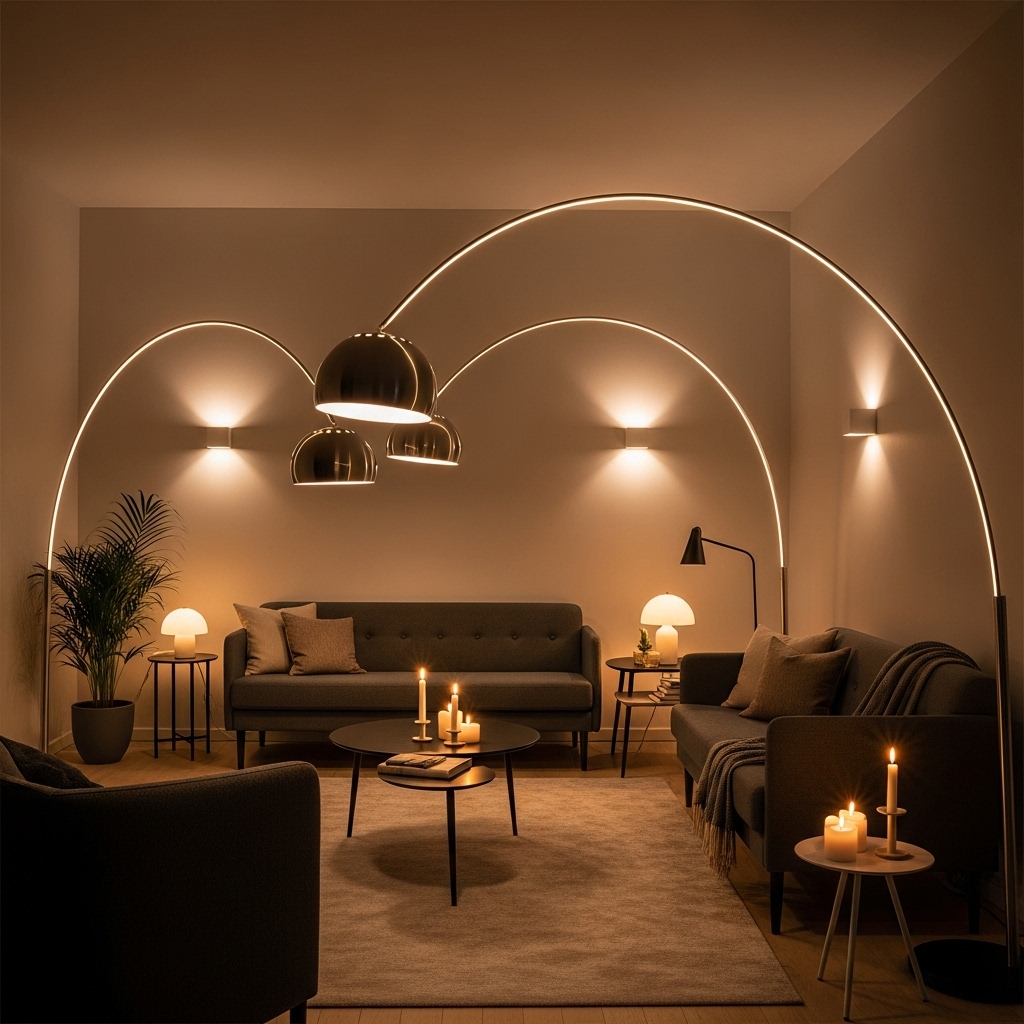
Layered lighting is essential in Scandinavian interiors, where function and feeling coexist.
Start with ambient lighting to softly illuminate the room, then introduce task lights pendants above tables or reading lamps near seating for daily activities.
Accent lighting, such as sculptural floor lamps or subtle wall lights, adds depth and visual rhythm.
Candles and small table lamps bring a sense of hygge, especially after sunset. Use dimmers to shift effortlessly from crisp daylight brightness to calm evening warmth.
Arc lamps curve gracefully over sofas, saving space while echoing organic forms. Opt for warm 2700K LEDs to recreate a gentle, fire-like glow that encourages relaxation without sacrificing practicality.
8. Open-Plan Layouts
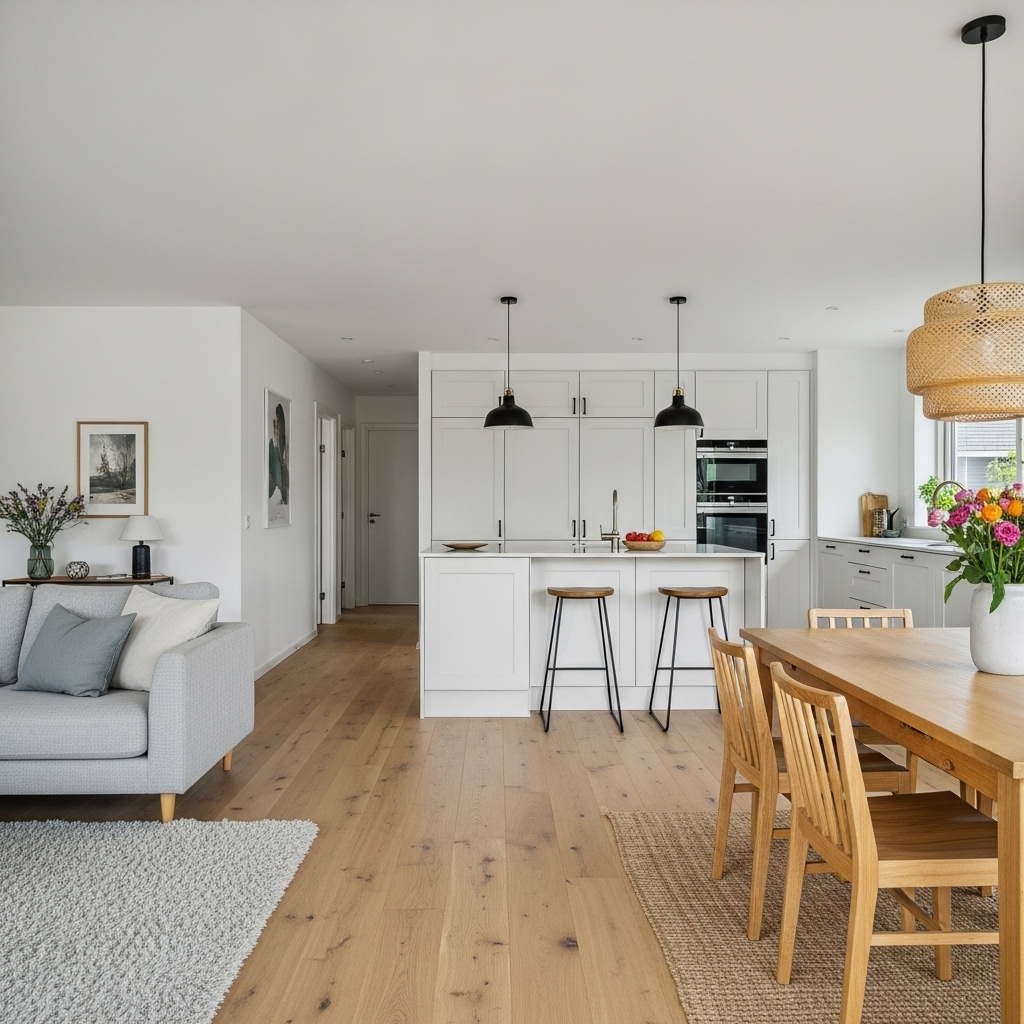
Open-plan layouts are a hallmark of Scandinavian interiors, where living rooms, dining areas, and kitchens blend into one continuous, effortless space.
Instead of rigid walls, subtle cues like textured rugs or low-profile dividers gently define each zone without interrupting the flow.
Natural light moves freely, enhancing the sense of openness and connection perfect for homes built around togetherness.
Warm wooden floors anchor the entire layout, creating visual unity from corner to corner.
Multifunctional kitchen islands act as practical boundaries, doubling as gathering points.
The result is a bright, breathable space that feels social, relaxed, and undeniably inviting.
9. Artwork and Decor
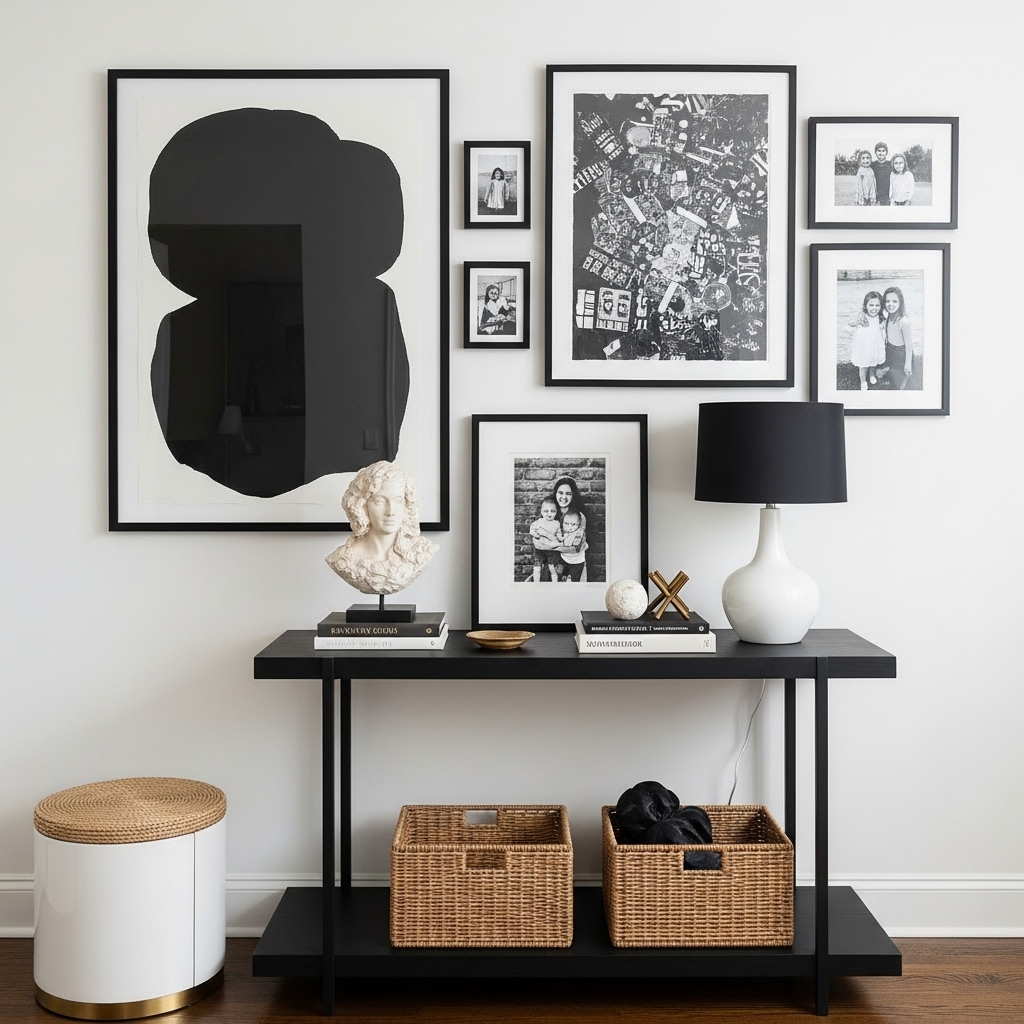
Artwork and decor should feel intentional, not excessive. Choose a few striking pieces that command attention, such as oversized abstract art or monochrome prints set in sleek black frames.
One well-placed sculpture on a console table can speak louder than a shelf of objects.
Gallery walls work best when curated with restraint, featuring a handful of meaningful family photos rather than visual noise.
Let negative space breathe. Prioritize craftsmanship, texture, and emotional connection over sheer volume.
When every piece earns its place, the room feels calm yet expressive, polished yet personal, offering quiet joy without demanding attention from thoughtful design.
10. Functional Storage
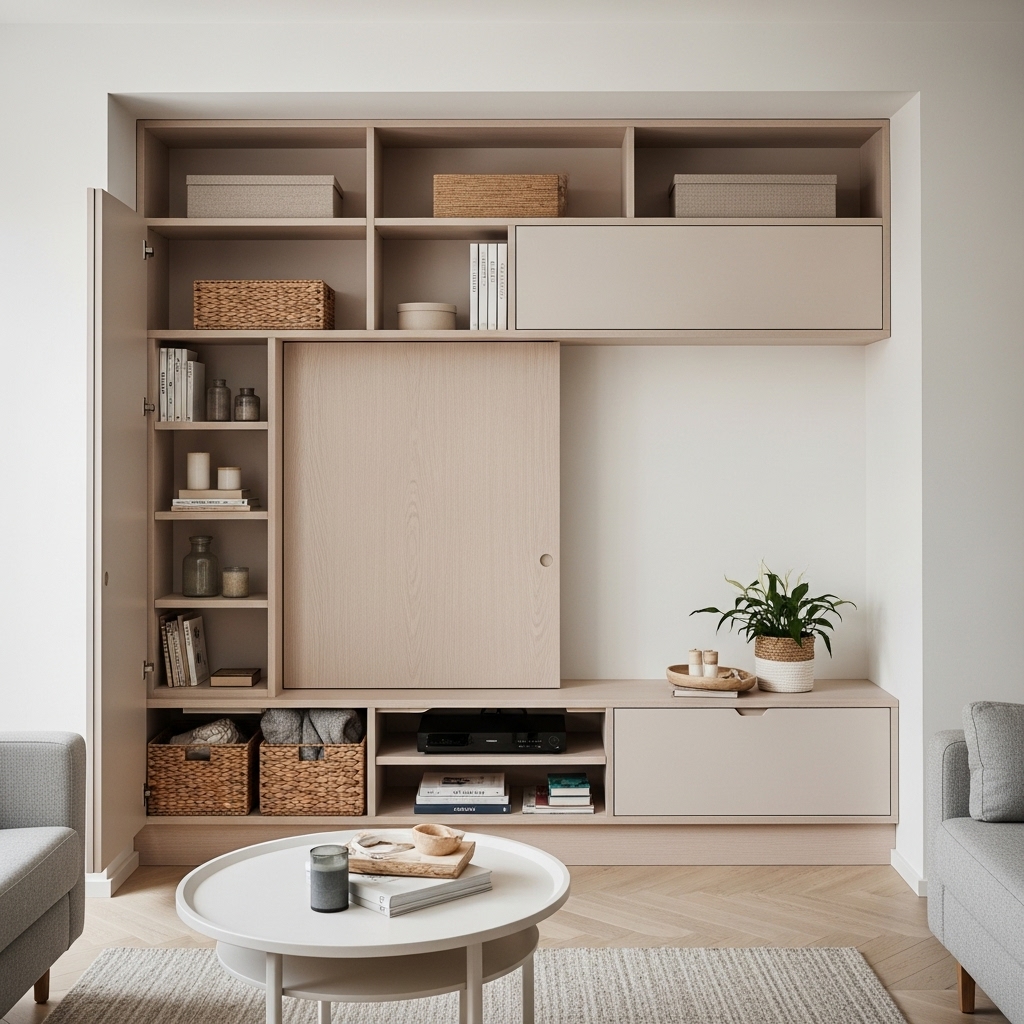
Functional storage sits at the heart of Scandinavian interiors, where practicality quietly supports calm, uncluttered spaces.
Built-in shelving and low-profile credenzas tuck everyday items out of sight, preserving the room’s clean visual flow.
Woven baskets add texture while neatly holding blankets, books, or toys without disrupting the aesthetic. Media units with sliding doors cleverly hide cables and screens when not in use.
Pale woods and soft finishes prevent storage from feeling heavy or intrusive.
Every piece serves a purpose, proving that efficiency and beauty can coexist effortlessly within a thoughtfully designed home. Rooted in restraint, balance, and quiet everyday functionality.
11. Statement Rugs
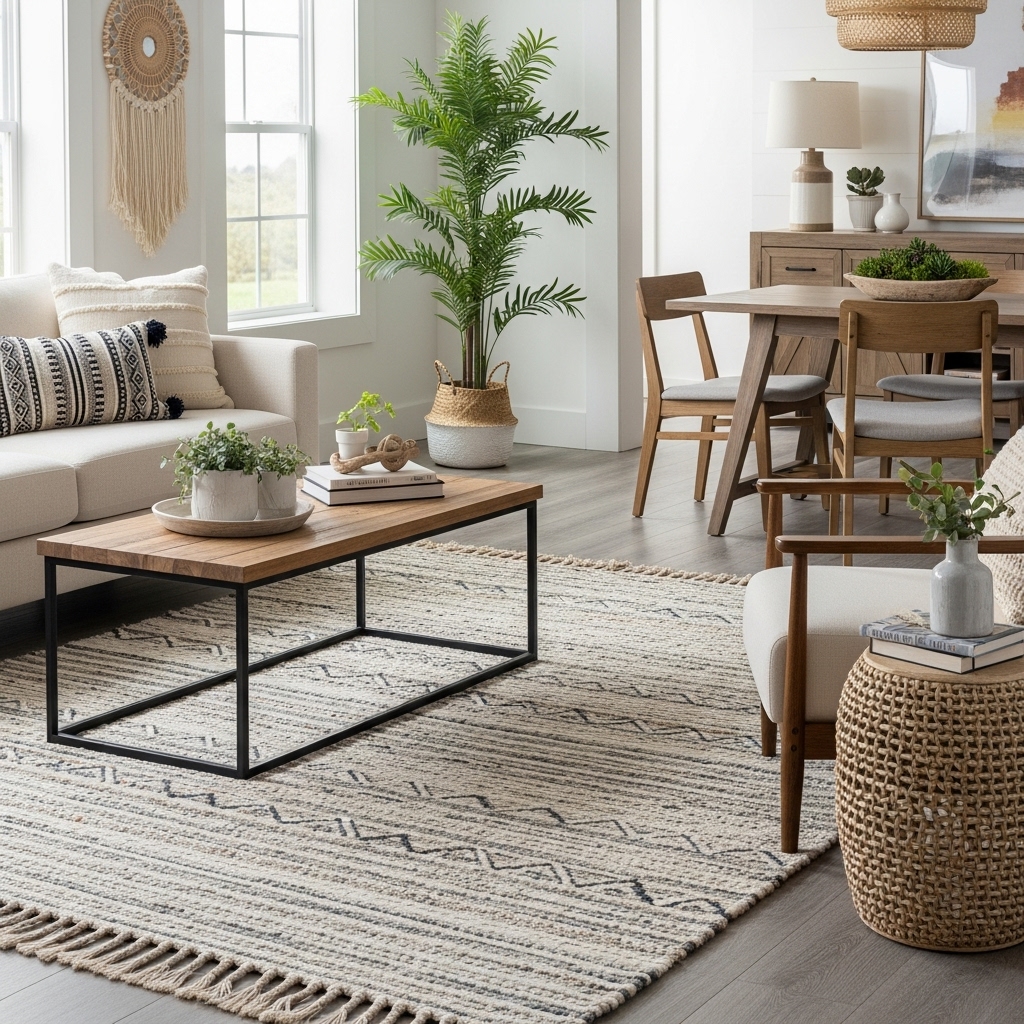
Statement rugs do more than sit quietly underfoot. Plush wool or natural jute pieces ground a room instantly, anchoring furniture while softening hard surfaces.
Layered thoughtfully, subtle patterns peek out beneath sofas or tables, adding depth without shouting.
Neutral geometric designs pair effortlessly with warm woods, stone, or metal finishes.
Chunky, handwoven textures introduce visual interest and a tactile richness you can feel the moment you step in.
A well-chosen rug draws boundaries in open spaces, gently defining living, dining, or reading zones.
The result feels cohesive, comfortable, and intentionally styled, bringing warmth and character into every corner effortlessly home.
12. Curved Furniture Accents
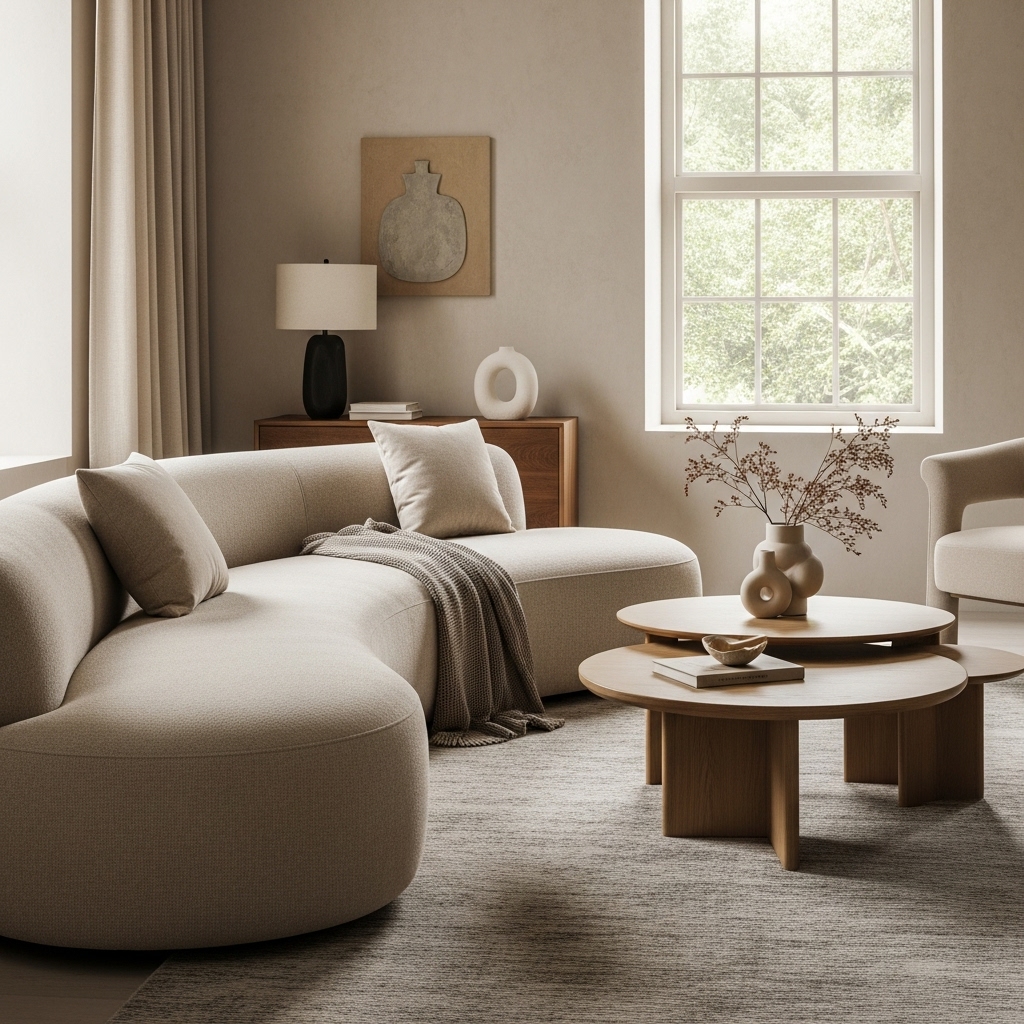
Curved furniture accents bring a quiet sense of ease to a space. Sofas with gentle arcs and rounded tables break up sharp lines, creating a warmer, more welcoming flow.
Beige upholstery adds to the comfort, subtle and timeless, encouraging long, unhurried moments of rest.
These soft silhouettes blend modern design with hygge-inspired calm, allowing rooms to feel relaxed yet intentional.
Organic forms move naturally through the layout, adding softness without sacrificing sophistication. It feels balanced, lived-in, and quietly refined overall.
Essential Tips
Start with decluttering to embrace minimalism. Layer textures gradually for balance. Test lighting at night. Mix wood tones sparingly. Prioritize multifunctional pieces.
Frequently Asked Questions
How to add color? Use pastels in textiles sparingly.
Budget-friendly? Thrift woods, layer DIY textiles.
Small spaces? Mirrors and light woods expand visually.
Modern twist? Add curves and metals.